
The Second-Level Concept: String Transport And Vertical Urban Development
Modern megacities have reached the limits of extensive growth: dense development and increasing transport flows have turned ground-level space into the scarcest resource in the city. Under these conditions, further development is possible through the creation of a second level of the urban environment – by placing part of the transport infrastructure above ground. This is precisely the solution proposed by UST Inc., which develops transport and infrastructure complexes capable of relieving road congestion and improving the quality of urban life.
Why Above-Ground Space Is in Demand
From the perspective of urban economics, ground-level space is now heavily overloaded. Roadways, pedestrian areas, service zones, engineering and utility networks, as well as residential and commercial developments all compete for the same land. This leads to reduced street capacity, increased noise and pollution, and rising land costs.
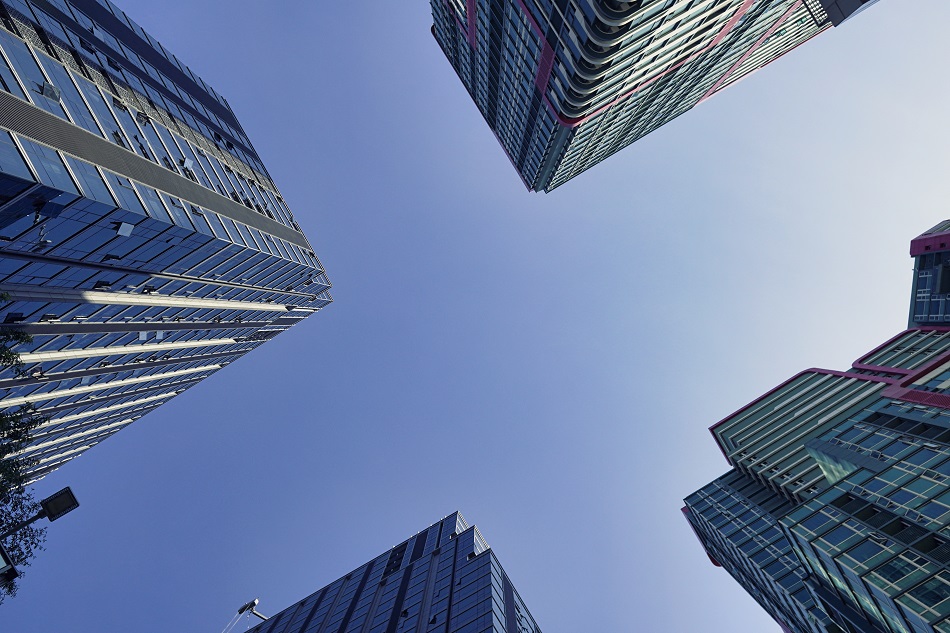
Relocating part of business space, public facilities, and transport routes above ground makes it possible to separate transport and pedestrian flows spatially, without relying on time-based restrictions. It also improves the efficiency of urban land use without expanding city boundaries.
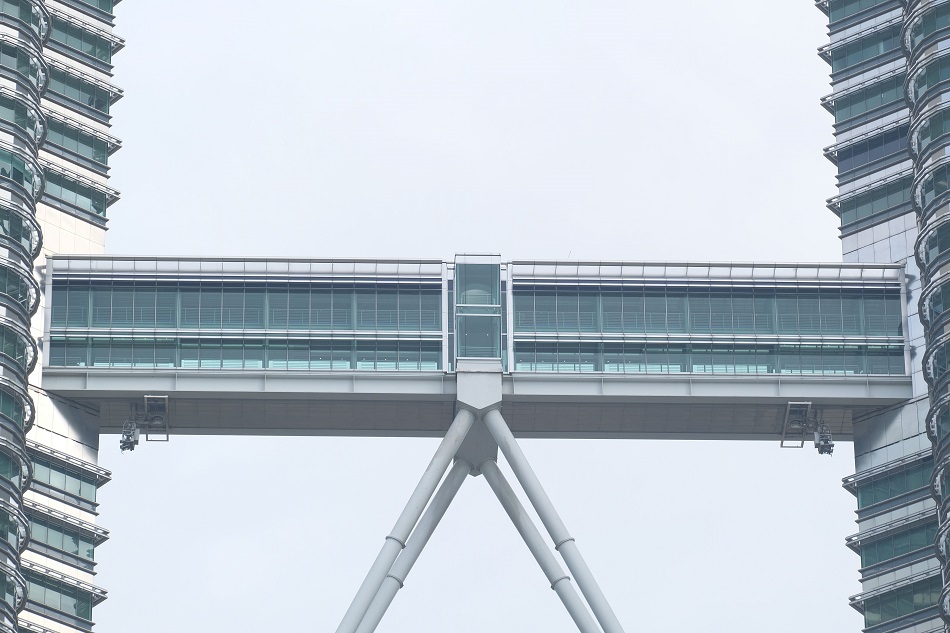
Such solutions make it possible to create new, commercially attractive spaces with convenient transport access. In addition, the second level frees up ground-level areas for green spaces and recreation, which has a positive impact on residents’ quality of life.
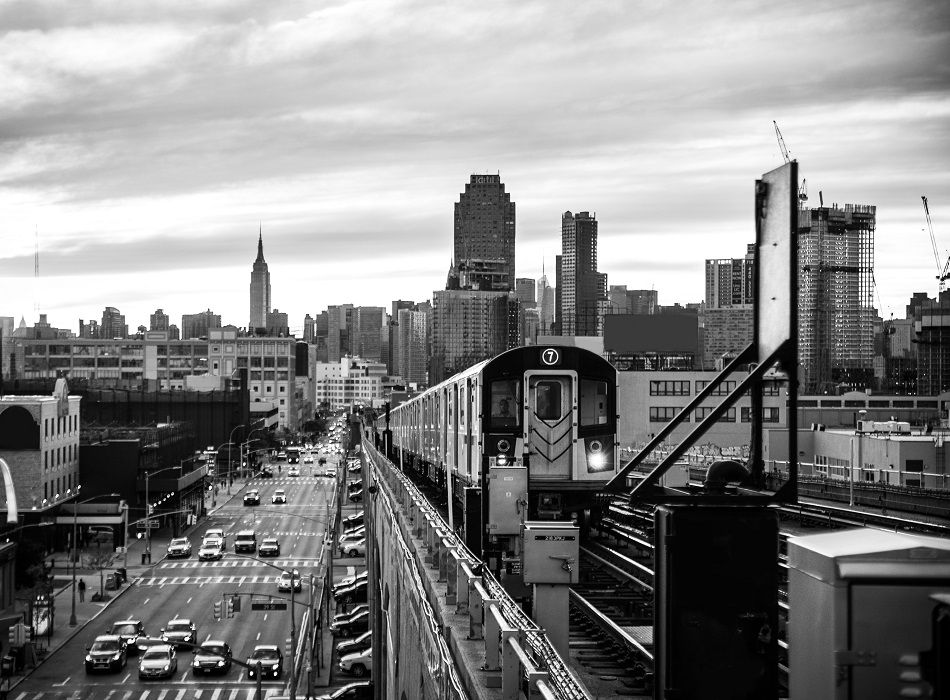
Taken together, these factors mean that the second level is increasingly viewed not as an architectural experiment, but as a practical tool for sustainable urban development.
Implementing the Second Level: From Concept to Practice
Real-world examples confirm the viability of this approach to urbanization. In many cases, municipalities have transformed former transport infrastructures into linear parks. This expands usable urban space while avoiding the high costs of demolishing overpasses whose original function has become obsolete. The first linear park created on former railway infrastructure was the Promenade Plantée in Paris, while the most famous example is New York’s High Line.
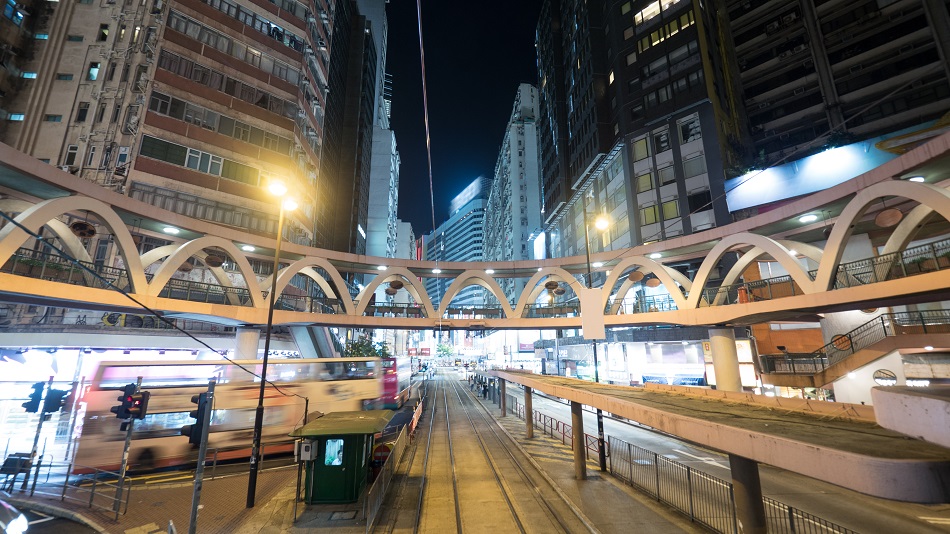
In Beijing and other major Chinese cities, multi-level development has already become standard practice. Pedestrian galleries, retail areas, and transfer hubs are designed at different elevations, forming a three-dimensional urban structure. This redistributes flows and reduces pressure on the street network without the need for radical reconstruction.
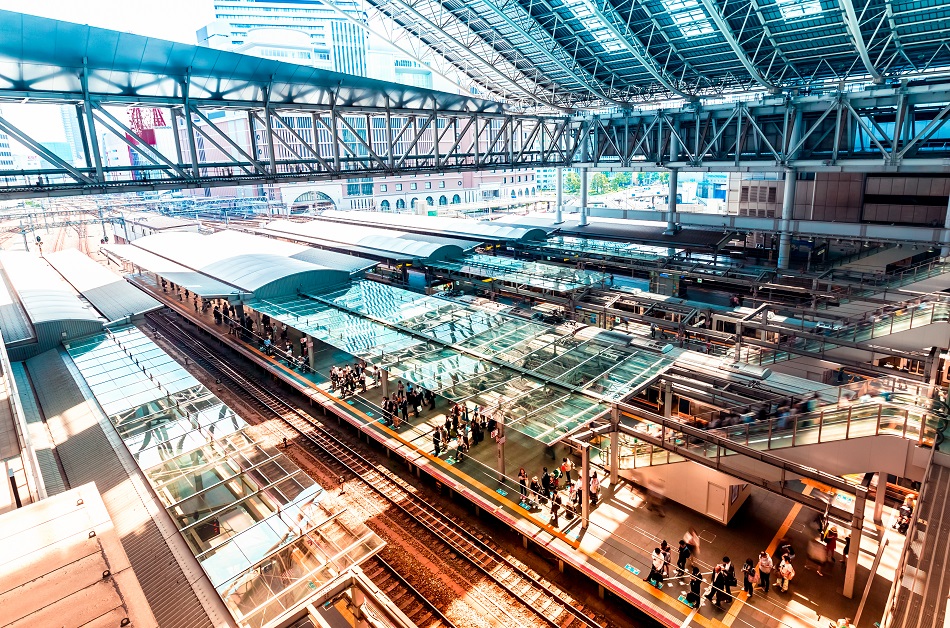
In newly developed districts of European and Asian megacities, architects increasingly incorporate a second level from the outset – in the form of podiums, terraces, elevated boulevards, and above-ground public spaces integrated with transport systems. A striking example is Seoul’s “Skygarden,” created on the site of a former highway interchange.
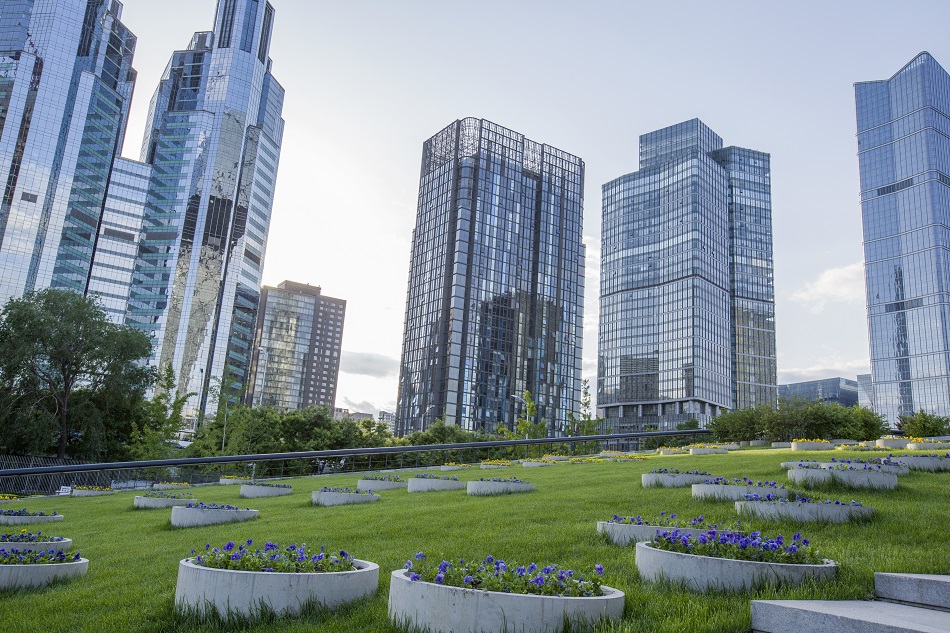
Located 16 meters above ground, the park connects the western and eastern parts of the city via a pedestrian route that passes over railway lines and a major roadway. Unlike most similar projects, the Skygarden was commissioned by the Seoul Metropolitan Government.
uST Complexes as the Foundation of Multi-Level Urban Development
From an engineering standpoint, a second level is impossible without dedicated transport solutions. Traditional overpasses and bridges address capacity issues but often create visual and environmental barriers. As a result, lightweight elevated transport systems are attracting growing interest.
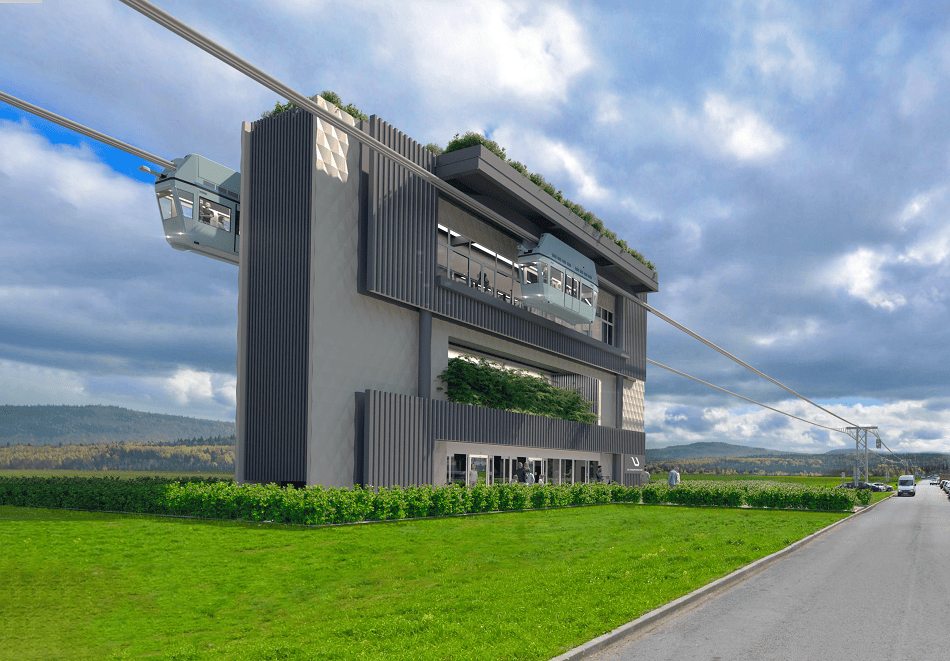
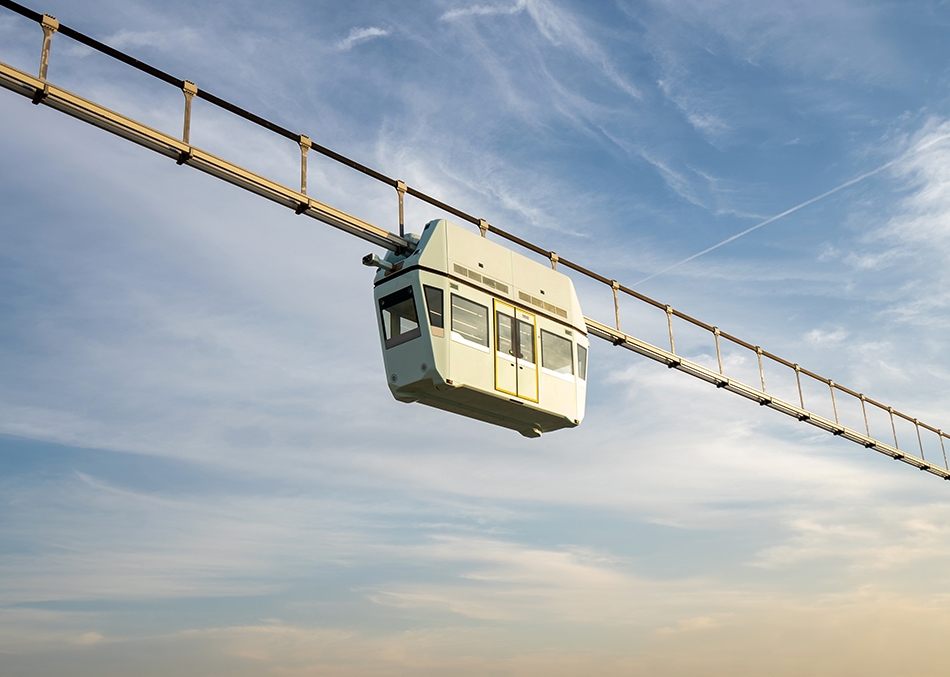
String transport meets these requirements at a systemic level. Its track structure features minimal material consumption, high rigidity, and a low impact on surrounding development. This allows uST complexes to function not as an add-on above the city, but as an integral part of its spatial logic.
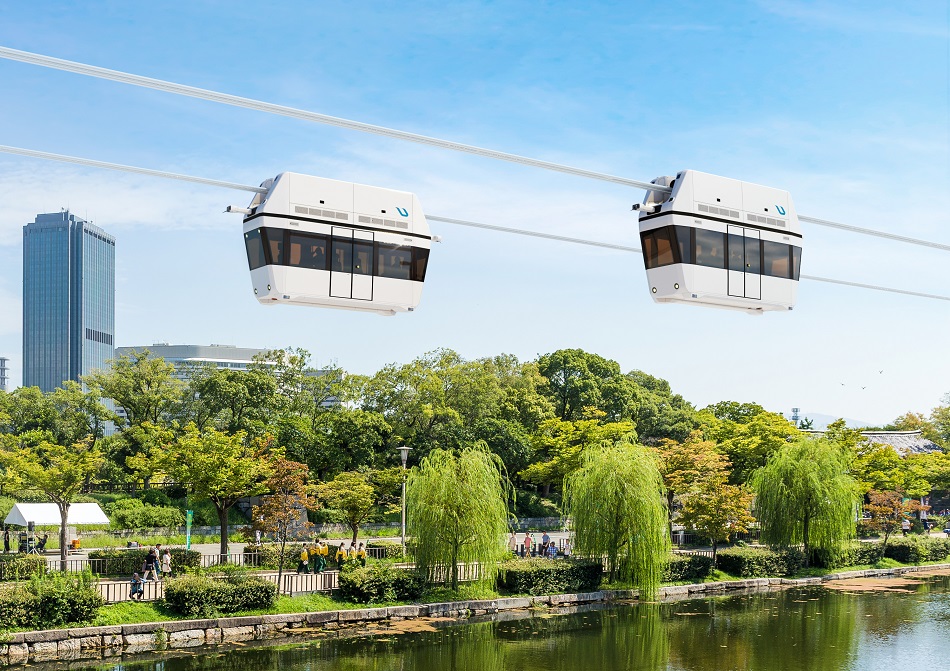
From a transport planning perspective, such engineering solutions can serve as the “load-bearing framework” of the second level. Elevated stations become nodes of business and public activity, while the overpass itself acts as a connecting element between raised urban spaces.
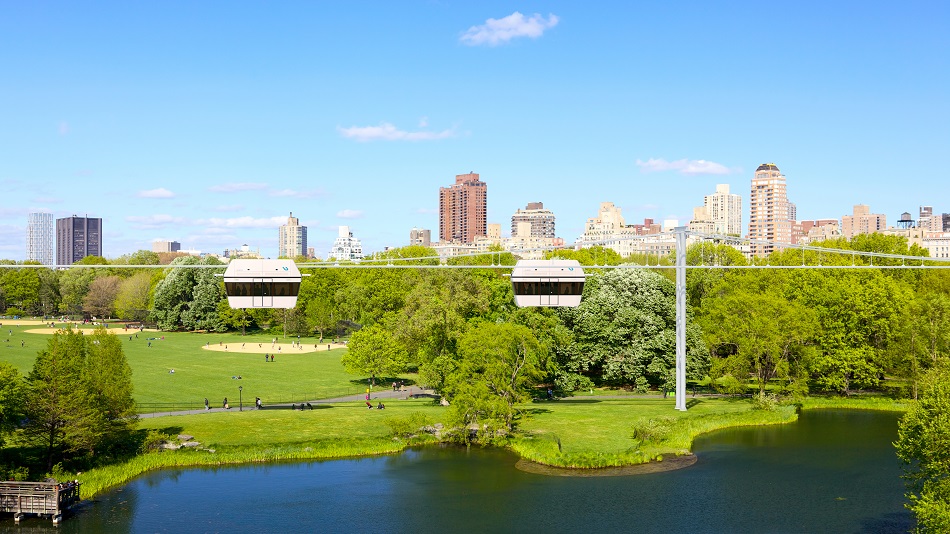
Equally important is the low level of noise and vibration, which allows uST transport to be integrated into dense urban environments, including residential and office clusters. This fundamentally distinguishes it from heavy elevated structures that degrade the urban environment.
Moreover, the space beneath the string-rail overpass remains functionally accessible. It can be used for parks, pedestrian routes, cycling infrastructure, and other urban amenities, rather than being reserved solely for servicing massive traditional transport corridors.
The Second Level as an Evolution of the City
The second-level concept is neither an architectural fashion nor a futuristic trend; it is a logical stage in the evolution of densely built, overloaded cities. The transition to multi-level urban space simultaneously addresses transport, environmental, and economic challenges.
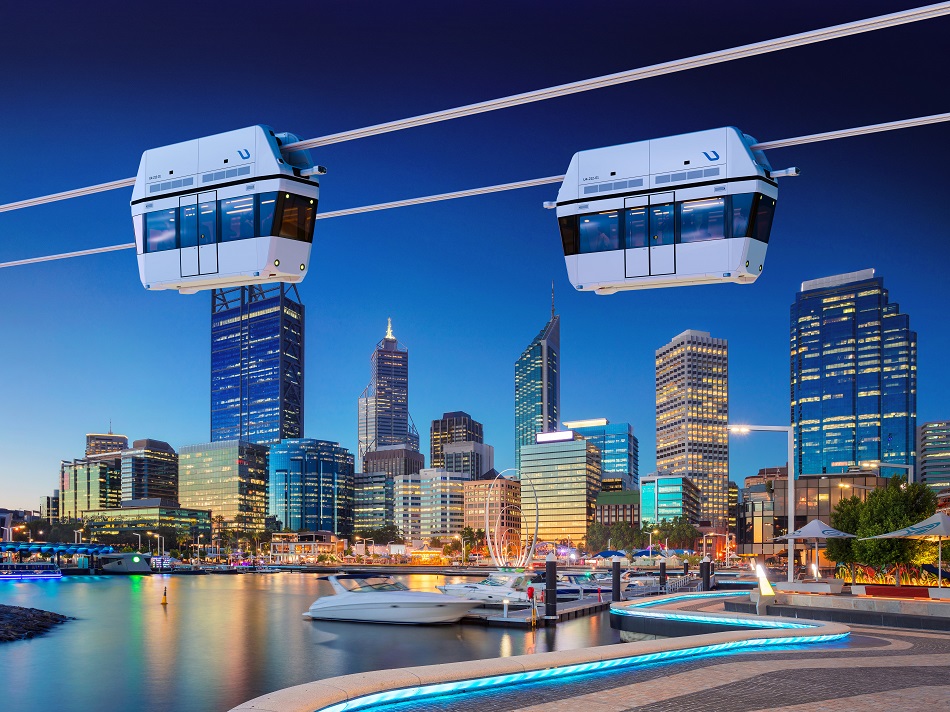
Within this model, string transport functions not merely as a means of mobility, but as the infrastructural backbone of a new type of urban environment – more flexible, interconnected, and human-centered. It is precisely such solutions that shape cities capable of growing without compromising quality of life.
More news
News
8 October 2024
Unitsky String Technologies Inc. announces an international competition for scientific papers
UST Inc. is looking for young talented scientists who are ready to prove themselves and demonstrate their knowledge in the field of string rail transport and uST technologies.
News
10 September 2025
Final of the UST Inc. Scientific Papers Competition Begins – Best Projects Identified
Six papers, prepared by students and undergraduates from leading universities in Russia and Belarus, are competing for the grand prize.
News
9 August 2024
UST Inc. continues to answer frequent questions about the Karat complex
Is the uPod resistant to sandstorms? Does the complex provide for the evacuation of passengers? Is there a luggage compartment in the Karat?


