
High Technological Sophistication as an Absolute: Machine Vision of the uPod
Modern transport is increasingly becoming a digital system capable of perceiving and analyzing information and making decisions. For string rail transport complexes, technological sophistication is not an optional feature but a fundamental principle on which the entire concept of rolling stock is built. That is why the uPod is not just part of an above ground transport system. It is an intelligent platform capable of independently navigating its environment, ensuring safety, and maintaining stable interaction with infrastructure.
Machine Vision: Transport That Sees
“The uPod determines its location using data from a variety of systems,” explains Vadim Subotka, Lead Software Engineer at UST Inc., responsible for vehicle machine vision. “It has satellite navigation, optical machine-vision systems, cameras, radars, and odometry systems. But most importantly, it has safety systems.”

A complex machine-vision system operates on board the uPod. Satellite navigation together with odometry provides the overall position along the route, while various sensors handle the details – recognizing obstacles, determining the distance to them, and adjusting movement accordingly.

Integrated systems housed in sealed compartments on the vehicle’s front panel generate a three-dimensional model of the surrounding environment. A software module analyzes the data stream in real time, identifying objects that may pose a potential hazard. When an obstacle appears ahead, the system assesses the situation and chooses the required course of action:
- smooth deceleration
- operator notification
- complete stop, if a collision is unavoidable
Autonomy and Intelligence
The uPod’s movement is driven by an intelligent decision-making system. It operates according to predefined algorithms for “performing transport functions in relation to assessed system risks.” It constantly receives sensor data, determining the uPod’s position on the string rail track, its speed, tilt angle, and movement dynamics.
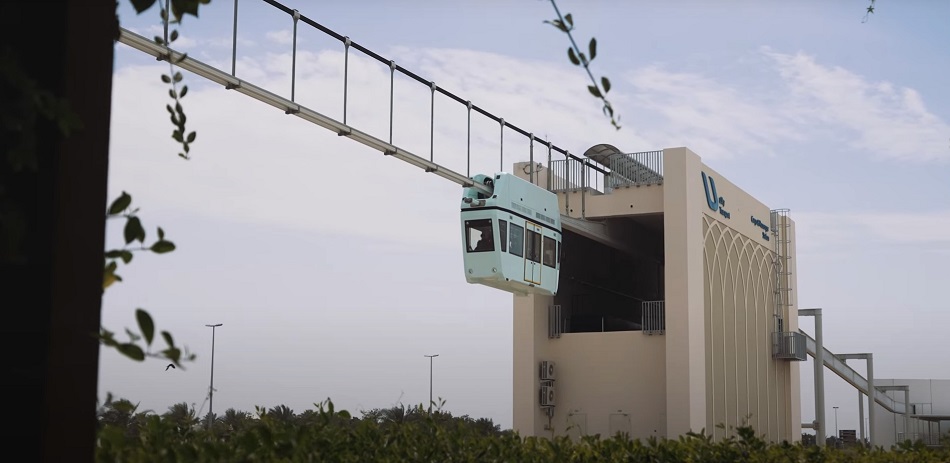
“The onboard control system, monitoring the current speed and position of the vehicle, independently determines whether it needs to accelerate or slow down – even to a full stop at the current point,” says Vadim Subotka.
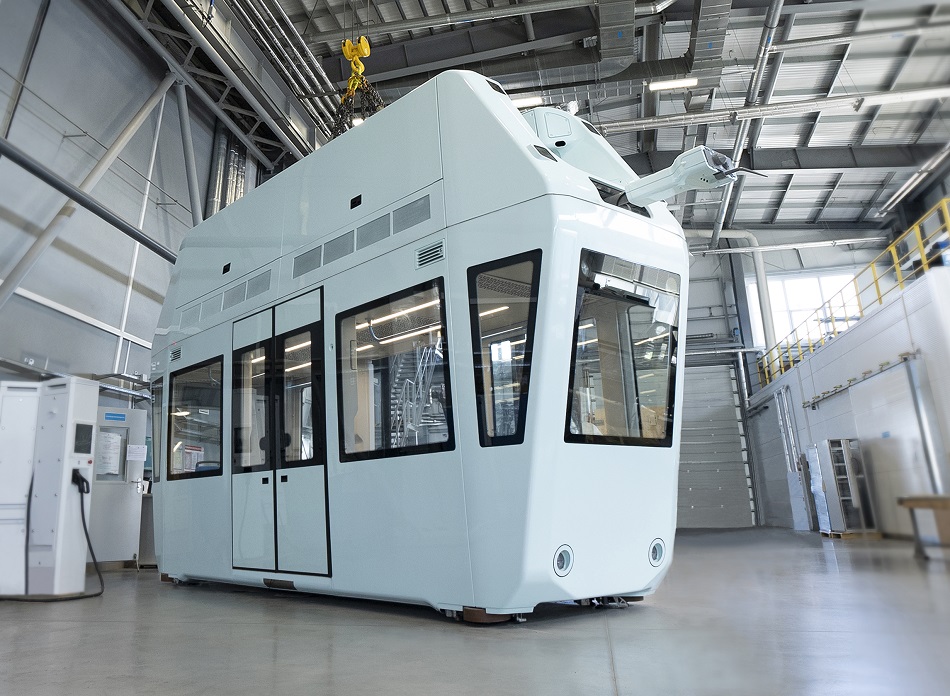
This implements the principle of predictive control – the vehicle does not react belatedly but calculates its actions in advance, ensuring smooth and safe movement. If communication with the control center is suddenly interrupted, the uPod does not lose orientation.
It continues following the predefined route and then automatically stops at the designated point. This ensures transport safety even during external failures, including cyberattacks.
The Human in the System
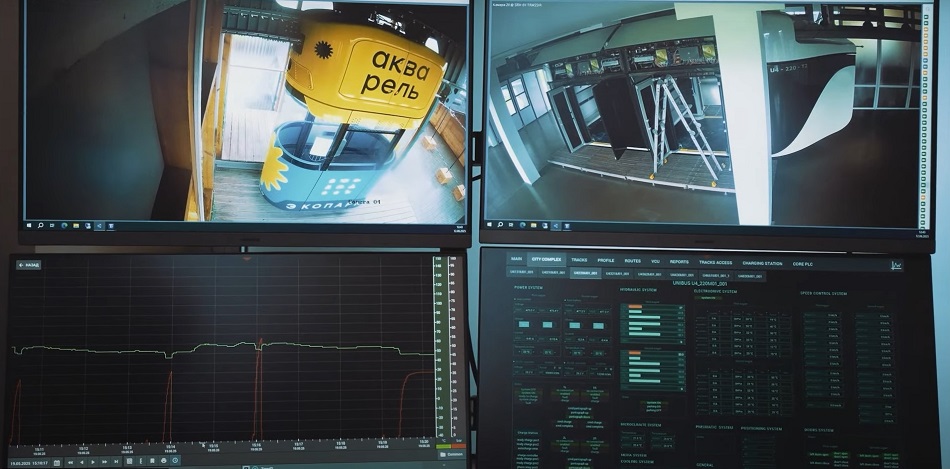
Despite the high level of autonomy within the uST framework, humans remain part of its architecture. In the control center, an operator monitors the parameters of all systems in real time. The screen displays data on speed, energy consumption, component temperature, battery status, and route positioning.
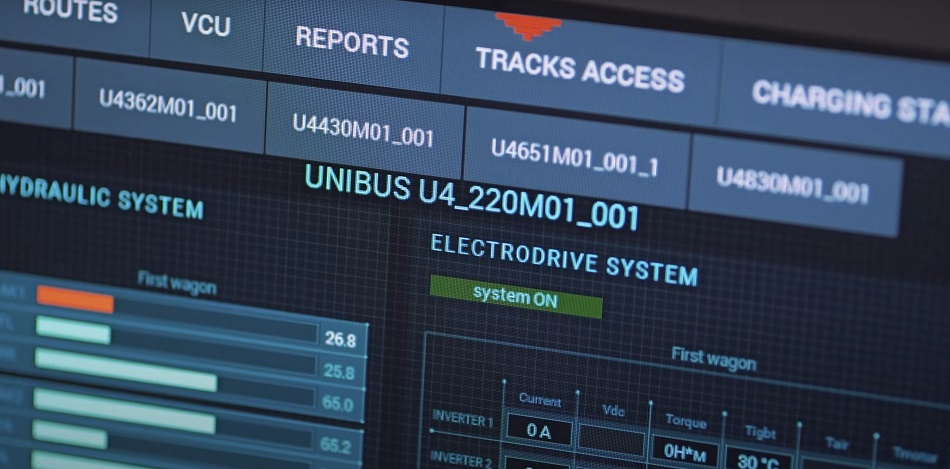
“You can send the vehicle on its way with the press of a single button,” explains Vadim Subotka. Thus, the dispatcher acts more as an observer than a driver. They receive information but do not intervene in every step of the system – the uPod decides how to act on its own. A human only takes control in critical or abnormal situations.
The Result of Engineering Maturity
Three years of testing have demonstrated that the developed control system fully meets safety and reliability requirements. Automation and machine vision do not merely complement the vehicle – they form its foundation.
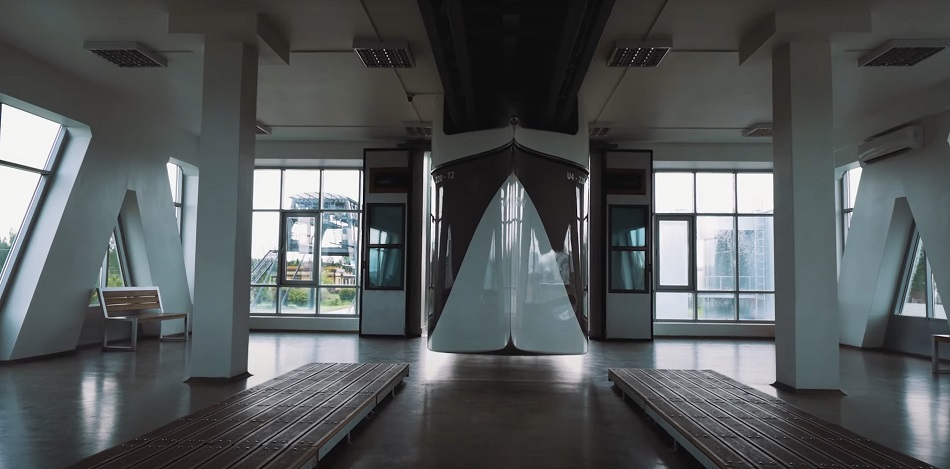
For the engineers of UST Inc., technological sophistication is an absolute, expressed in the ability of machinery to think and act so that a human can remain an external observer of system operation. The uPod does not simply move along a string rail track – it analyzes its surroundings, makes decisions, interacts with infrastructure, and makes the uST transport system truly advanced and safe.
More news
Blog
16 August 2024
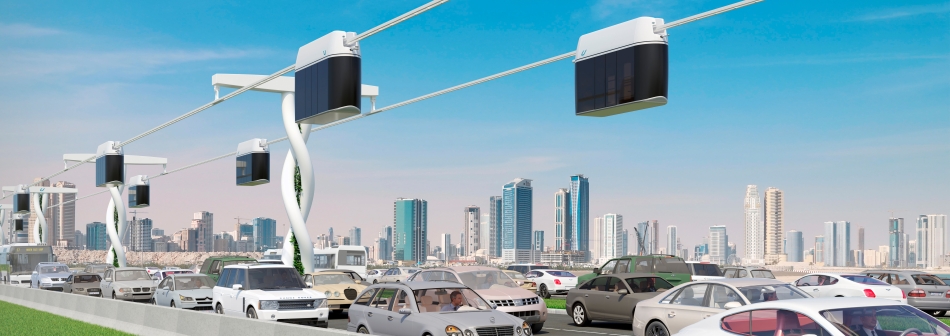
Global Traffic Congestion on the Rise: uST Complexes Are the Solution to Traffic Jams in Megacities
Traffic studies for 2023 show that congestion continues to rise, leading to increased time spent idling in traffic.
Opinion
1 April 2022
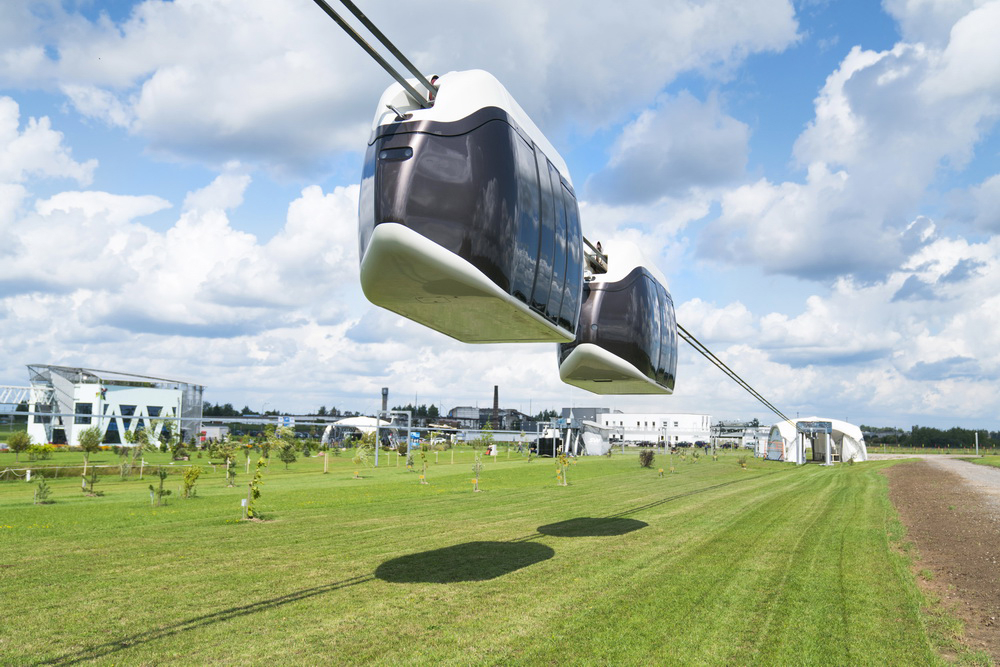
Innovations of Unitsky String Technologies Inc. Are in the Prestigious Scientific Publication
The journal “Strengthening Technologies and Coatings” has published a scientific article prepared by the staff of Unitsky String Technologies Inc. Among the authors is Anatoli Unitsky, General Designer of the Company.
News
20 December 2024
Applications for the UST Inc. International Scientific Paper Competition Are Still Open
Unitsky String Technologies Inc. invites young, talented scientists to showcase their expertise and knowledge in the field of string rail transport and uST technologies by participating in its international scientific competition.


