
Why the Future of Transport Lies Not in New Fuels, but in Energy-Efficient Technologies
Over the past decades, the world has been actively searching for alternatives to fossil fuels. The oil-and-gas economy, which for many years defined the development of transport and industry, is now facing new challenges: rising extraction costs, environmental restrictions, and technological obsolescence. At the same time, interest in alternative energy sources continues to grow. Energy specialists worldwide are trying to find viable substitutes for petroleum products among environmentally friendly fuels – for example, electricity, which powers the rolling stock (uPods) of uST transport and infrastructure complexes. Current trends show that the future belongs not to a specific resource, but to technologies.
Drawbacks of Fossil Fuels
Just a decade ago, it seemed that oil and gas would continue to dominate the energy sector. Today, however, their role is becoming far less certain, for several reasons:
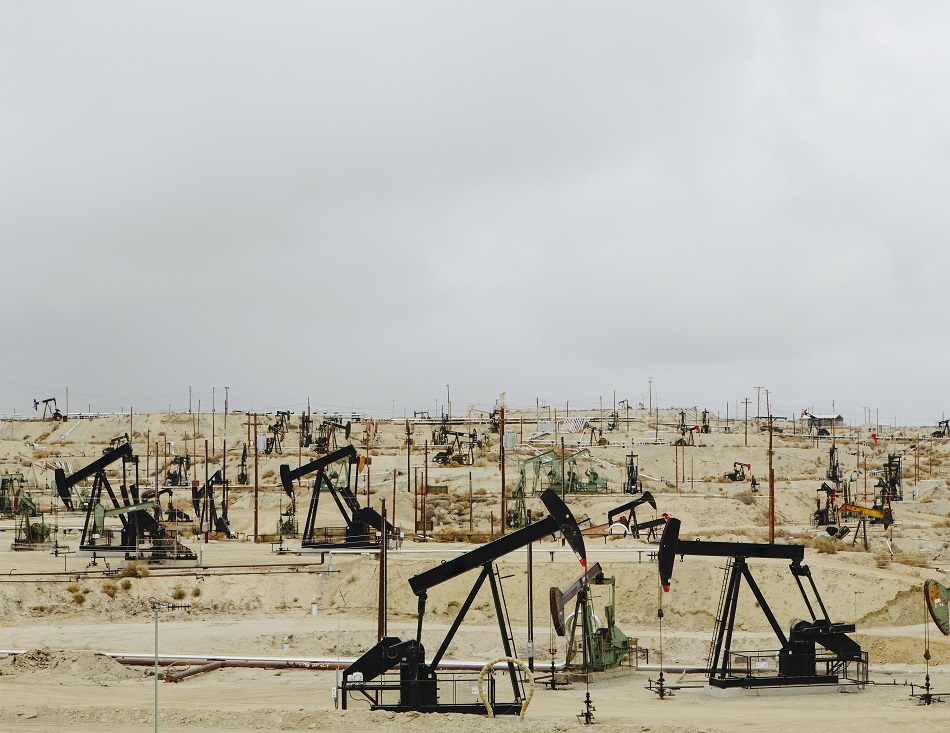
• Environmental constraints. The combustion of hydrocarbons remains the largest source of harmful CO₂ emissions. In many countries, this results in strict quotas, penalties, and rising costs for “non-green” projects.
• Economic volatility. Oil prices depend heavily on production limits and geopolitical factors, creating financial risks for investors during business planning.
• Rising extraction costs. “Easy” oil reserves are being depleted, while deep and complex fields require multi-billion-dollar investments.
As a result, fossil fuels are becoming expensive, hard to access, and far less predictable than before. This makes reliance on oil and gas increasingly problematic when developing modern transport infrastructure.
Why Alternative Fuels Are Not a Panacea
Hydrocarbons are being replaced by solutions often labeled as “fuels of the future.” Hydrogen, for instance, looks convincing as an alternative fuel only in theory – its efficiency breaks down when confronted with reality:
• High costs of producing green hydrogen
• The need for cryogenic storage
• Expensive infrastructure
• High transportation risks
• Limited availability of equipment for mass adoption
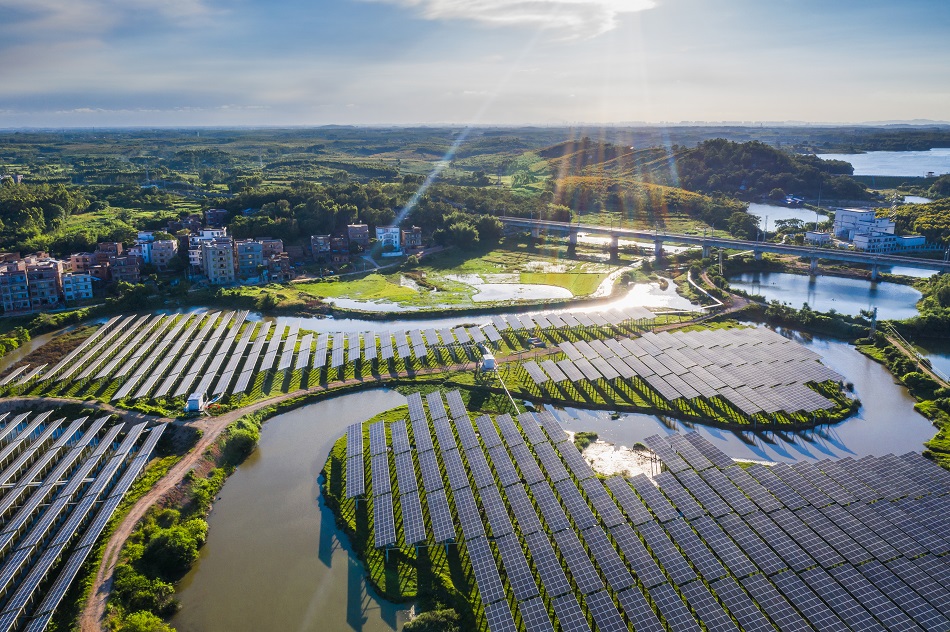
A similar situation applies to solar farms, biofuels, and wind power installations. While environmentally friendly during operation, they are costly across the full lifecycle – from production to disposal – and insufficiently effective for transport systems that require stable, reliable energy.
Energy Efficiency Through Intelligent Engineering
Amid debates about what future energy carriers will look like, a fundamentally different trend is becoming increasingly clear: reducing the energy intensity of transport is more important than finding new types of fuel. This philosophy is embodied in the engineering solutions developed by UST Inc.
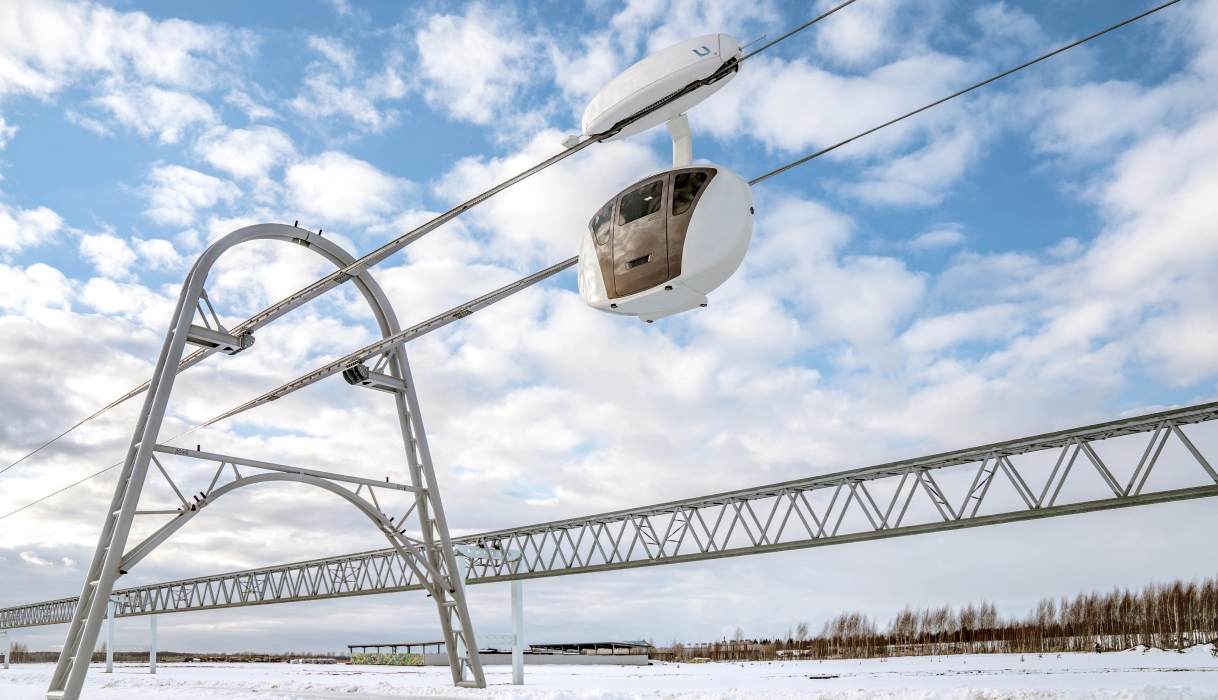
uST string rail complexes were designed from the outset as systems with minimal energy consumption. Thanks to the characteristics of the track structure and autonomous uPods, overall energy use is reduced by tens of percent compared to conventional transport solutions.
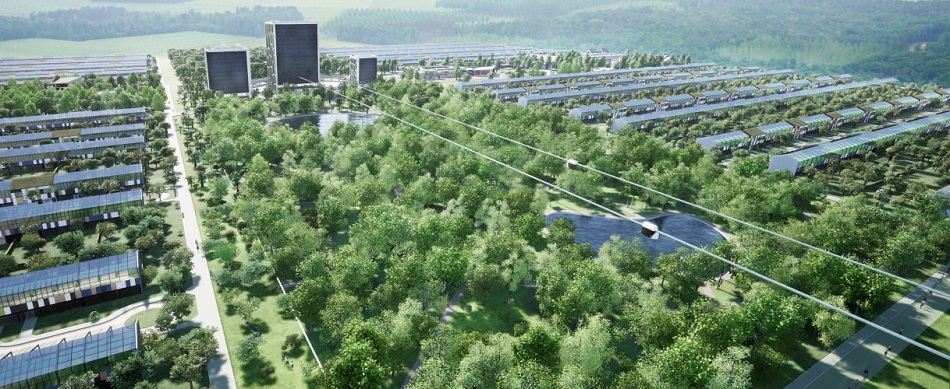
What makes uST transport and infrastructure complexes more economical:
• Lightweight track structure. The string rail track is significantly lighter than bridges and overpasses, requiring less steel and concrete – and therefore less energy for material production.
• Minimal aerodynamic losses. The streamlined shape of uPods reduces air resistance at speeds of up to 120 km/h, cutting energy consumption by 30–40%.
• No congestion and no “start–stop” mode. Above-ground transport systems eliminate traffic jams and constant braking and acceleration cycles, which are major energy drains in road transport.

• Energy recuperation. Up to 30% of energy is returned to the uPod system during braking – an efficiency level unattainable for traditional urban transport.
• Flexible power sources. uPods in uST complexes operate on grid electricity and batteries and can be powered by local renewable energy sources.
Technology That Requires Minimal Fuel
The world is steadily moving toward a model in which the key value lies not in resource extraction, but in the ability to use resources as efficiently as possible. In this context, uST transport and infrastructure complexes represent a ready-made solution that is environmentally friendly, cost-effective, and technologically advanced.
The conclusion is clear: the future does not belong to new types of fuel, but to systems that require minimal amounts of it. uST complexes exemplify this modern transport format – lightweight, energy-efficient, and designed for long-term use.
More news

News
16 October 2025
The Union State Council has endorsed the development of string technologies in partnership with UST Inc.
Participants discussed the potential for creating string transport lines connecting border regions and the capitals of the Union State. Experts believe that developing this technology can bolster the technological independence of both Russia and Belarus.
Opinion
22 September 2022
How Will uST Technology Help the Development of the Arctic Regions? See the Answers in an Article from FederalPress
The FederalPress media holding explained how the solution by Unitsky String Technologies Inc. can improve transport accessibility in the regions of the Far North.

Opinion
17 August 2021
uST Transport Hit the Front Page of “Construction Week” Journal
An article about Unitsky Sting Technologies Inc. was published in the August issue of this journal


