
Why String Transport is Important for Vietnam
Vietnam’s transport infrastructure is affected by several negative factors. In the northern and central parts of the country, road construction is complicated by mountainous terrain, while the Mekong Delta features extensive marshy areas. The complex river network, coupled with a general lack of bridges, further hampers the development of transportation networks.
These factors lead to seasonal isolation of entire communities and a near-total absence of railway infrastructure in several regions. UST Inc. offers solutions that could change this situation.
Key Issues with Roads
Vietnam’s road network is in dire need of serious upgrades, especially in the northern mountainous and north-central provinces (Northern Mountains, North Central Coast). Here, a significant portion of the roads are narrow, low-category, and heavily worn, making them prone to landslides, washouts, and pavement damage.
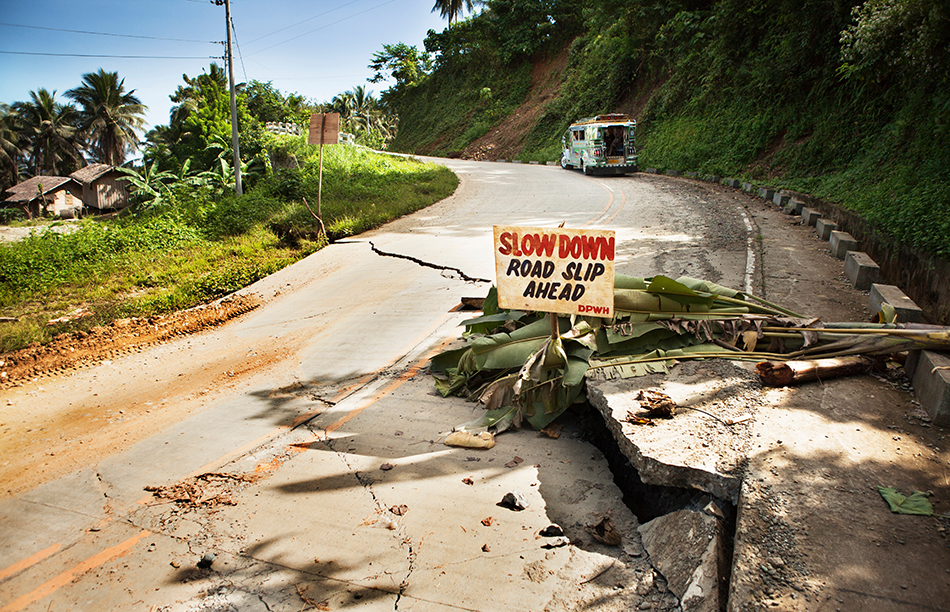
Many sections remain difficult to traverse even in relatively good weather due to muddy and unpaved stretches, insufficient lane width, and a lack of drainage systems. In coastal and low-lying areas, roads are often flooded by tides and rising waters, regularly disrupting traffic.
The transport-infrastructure complexes designed by UST Inc. will not be significantly affected by these factors. The uST complex is built to withstand humid tropical conditions where seasonal rainfall can reach 2–3 mm per minute and humidity can reach 100%. Reinforced foundations of anchoring structures ensure the stability of the elevated overpass even in the face of natural disasters. According to the company’s experts, the system remains operational during seismic activity up to 9 on the Richter scale.
Moreover, the complex is insensitive to power supply interruptions, can be managed remotely, and operates around the clock in any weather conditions.
Shortage of Bridges, Ferries, and Network Fragmentation
In the Mekong Delta, many rural areas lack roads and bridges or have them in unsatisfactory conditions. A national transport strategy study highlights dozens of sections that are regularly submerged and require the construction of bridges.
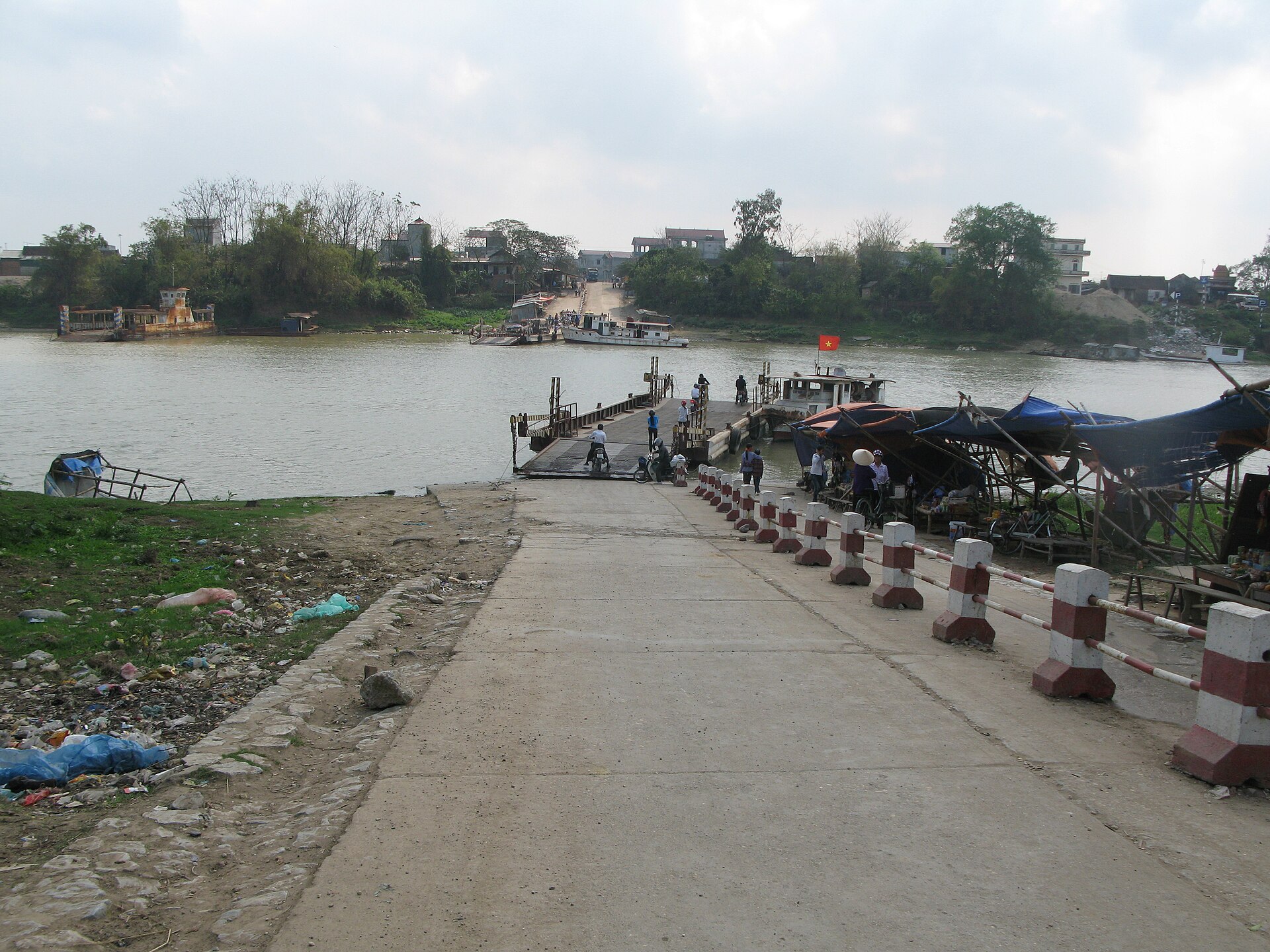
On some national routes, such as No. 15 and adjacent corridors, heavy vehicle movement is restricted due to the lack of significant crossings and limited capacity of ferries. This seriously hinders the economic development of the region.
uST string rail complexes allow for more effective and cost-efficient solutions to these logistical challenges: the cost per kilometer of a string rail overpass is significantly lower than that of a similarly long bridge. The uST track structure is elevated up to 10 meters above ground, enabling uPods to traverse flooded areas and washed-out roads. Supporting towers can be placed up to 3 kilometers apart, so even wide river floods do not obstruct transportation. These supports can be easily installed on nearly any type of soil, including swampy areas.
Thanks to the prestressing technology, the main load is transferred to anchoring structures located at the end stations. Supporting towers experience minimal load and require less metal, which reduces material consumption and makes the complex economical.
Why uST Transportation is the Solution for Vietnam
Nature has bestowed upon Vietnam a challenging climate: frequent typhoons, record-heavy rains, and flooding lead to landslides, washed-out roads, and destroyed bridges. There are instances where newly constructed roads are damaged within months of operation due to foundation preparation errors, weak soil bearing capacity, and violations of construction standards.
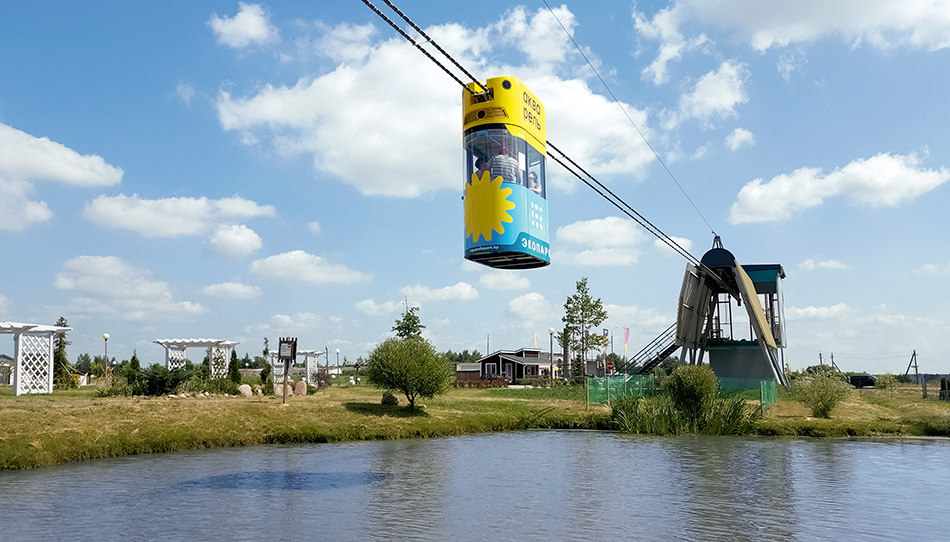 In this context, the durable uST transport system – with a lifespan of up to 50 years for the string rail overpass and 25 years for rolling stock – could serve as a remedy for the country. Its track structure doesn’t require earth embankments, water crossings, or bridges; the distance between supports can reach up to 3,000 meters. Transportation occurs above ground and is completely safe.
Thus, string transport will enable a relatively quick and cost-effective development of the transportation infrastructure, facilitating regional growth and boosting Vietnam’s economy.
More news
Blog
8 May 2025
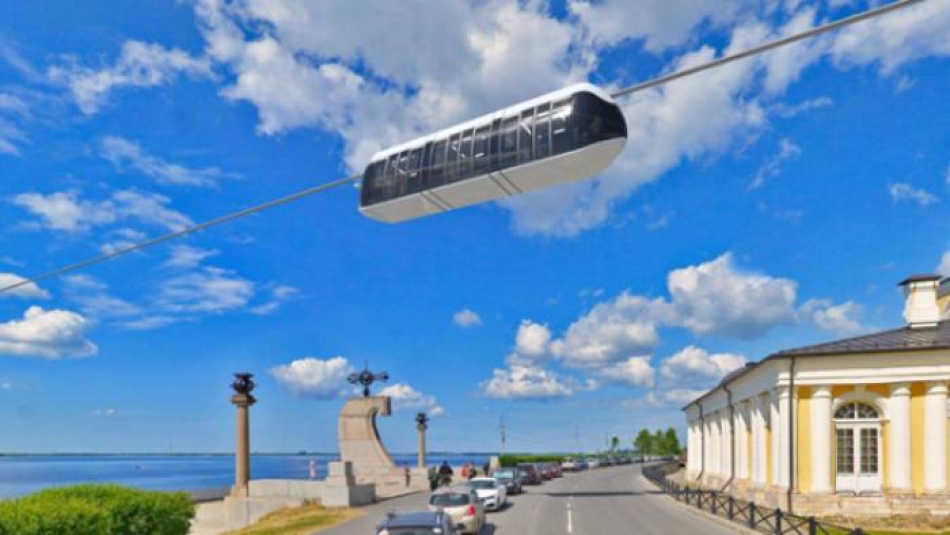
Vibrations and Acid Rain: How Traditional Transportation Imperceptibly Erodes Architectural Heritage
Unitsky String Technologies Inc. provides an optimal transportation solution aimed at preserving historic sites.

News
26 November 2020
Unitsky String Technologies Inc. Successfully Completes the Construction of an Elevated Transport Complex in the UAE
United Arab Emirates — On November 26, 2020, the company completed an innovative transport complex at the Research, Technology and Innovation Park (SRTIP) in the Emirate of Sharjah.
News
2 August 2022
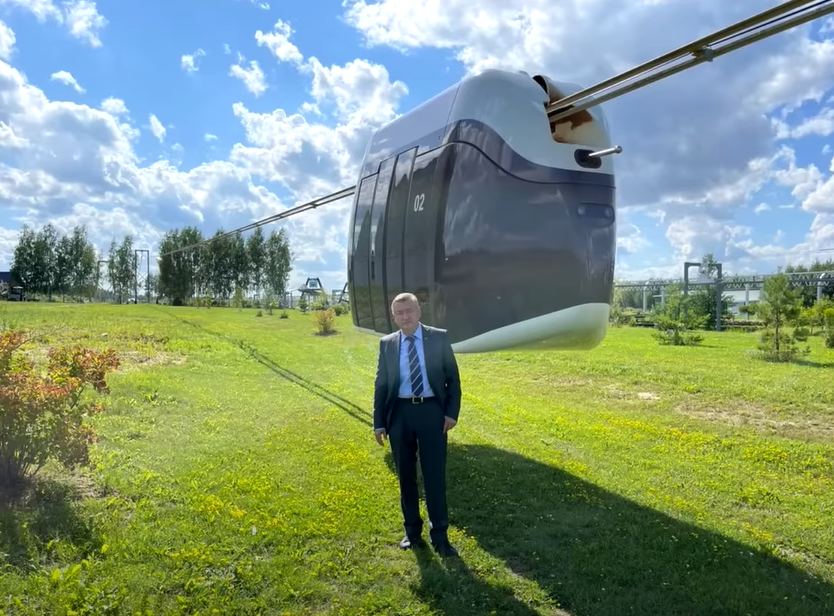
UST Inc. Was Visited by Vladimir Boglaev, a Prominent Practicing Economist and CEO of Cherepovets Foundry and Mechanical Plant
Later on, Vladimir Boglaev shared his insights about his visit on Studio Rubezh, a popular Russian online resource.


