
String transport at the BRICS Forum: Expert discussion showed growing interest in uST technology
The VII BRICS International Municipal Forum, held on November 20-21 in St. Petersburg, attracted more than 5,000 participants from 79 countries. The focus was on the socio-economic development of regional and municipal areas, increasing the investment attractiveness of cities in the five countries, and strengthening ties between BRICS nations. The strategic session "BRICS Technologies for Sustainable Development," co-hosted by Unitsky String Technologies, was a part of the event. Let’s take a look at what the participants highlighted in their speeches.
The goal is to create cities with safe, comfortable, and environmentally friendly transportation
At the session on the development of urban environments and mobility, a variety of topics were discussed, including sustainable development of territories, modernization of infrastructure, and ensuring technological sovereignty in transportation. In these circumstances, it is essential to take into account the global context. The BRICS countries, which today comprise more than 40% of the world's population, have significant potential that could be harnessed to develop modern transportation systems.
Representatives from government agencies, relevant committees, regional transportation authorities, urban planning experts, and entrepreneurs participated in the discussion. So, they were able to have a constructive conversation, during which special attention was given to innovative solutions for passenger transport.
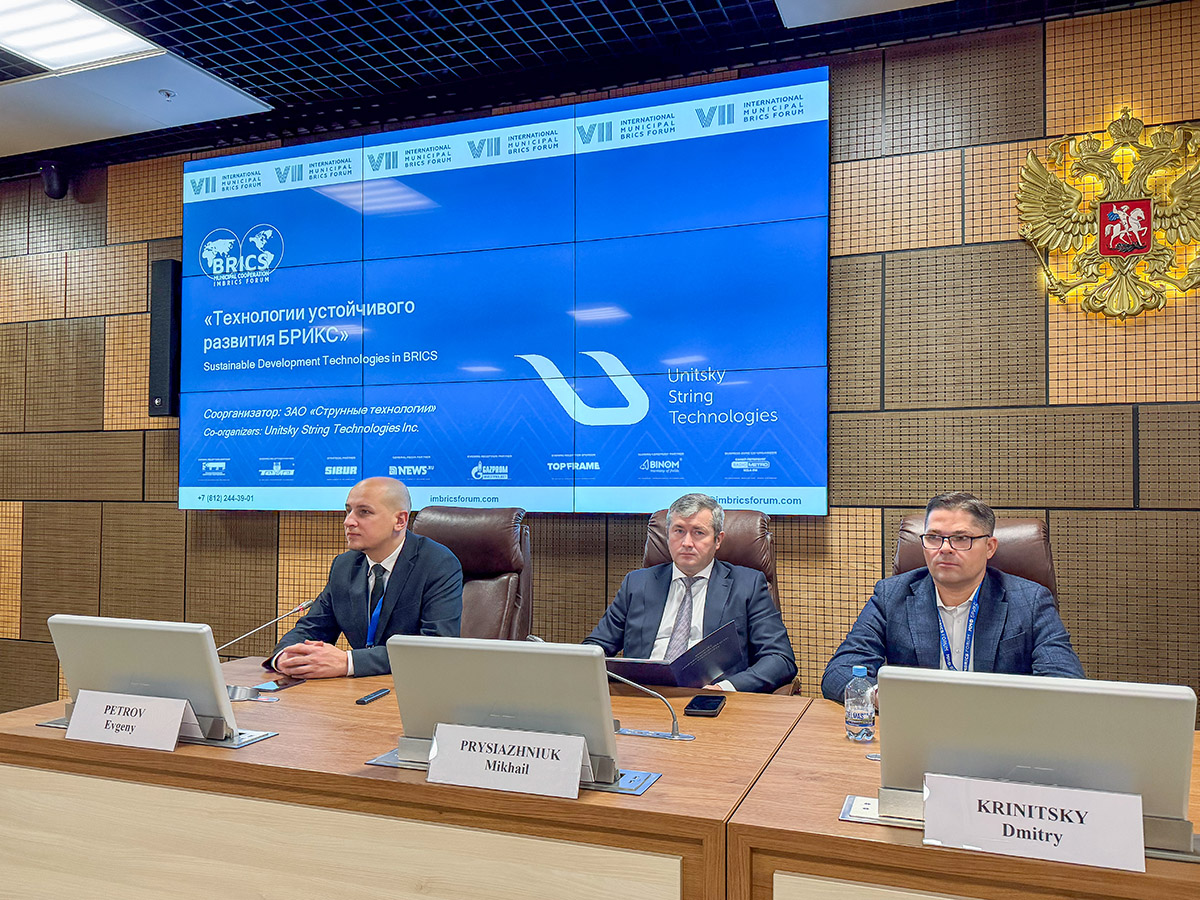
One of the central subjects of conversation was the concept of string transport as a potential solution for organizing passenger transportation, particularly in areas where conventional methods are no longer effective. Mikhail Prisyazhnyuk, Chairman of the Leningrad Region Transport Committee, noted in his welcome speech that this system opens up new possibilities for urban mobility development.
– I am convinced that by combining the experience, knowledge, and potential of the BRICS countries, we can find the best solutions in the fields of digitalization, environmentally friendly transportation, and intelligent infrastructure development. Our shared goal is to build cities where people want to live and where transportation is safe, comfortable, and environmentally friendly.
The demand for high-speed transportation is increasing
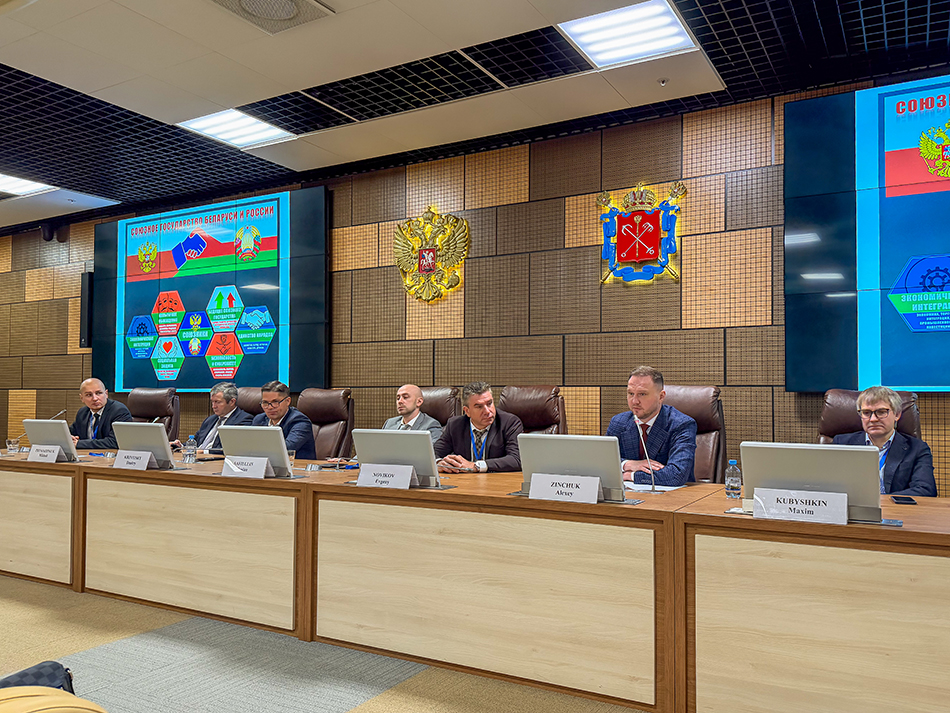
The issues of developing transport systems and modernizing urban environments in the BRICS countries require not only political decisions, but also careful technological and organizational approaches. In this context, Deputy of the Legislative Assembly of St. Petersburg - Alexey Zinchuk, Advisor to the State Secretary of the Union State, spoke about the development of infrastructure and economic cooperation in the Union State. He emphasized that the development of logistics infrastructure continues to be a key pillar of cooperation. At the same time, it is also important to work towards the unification of standards, regulations, and tariff policies, as this creates the foundation for a sustainable partnership between the countries.

Technological transformation is an essential component in creating a sustainable environment. Ruslan Safiullin, Head of the Department of State Highway Supervision in St. Petersburg and the Leningrad Region at the Ministry of Transport of the Russian Federation, discussed the ways in which modern information solutions are transforming control and supervision activities. These solutions help reduce the time required to provide public services, lower administrative burdens, and increase management transparency. Among the expected outcomes of implementing such tools are improved and more efficient services for citizens and businesses, the establishment of virtual counterparts for economic sectors, and the development of intelligent city ecosystems.
uST technology for solving practical problems
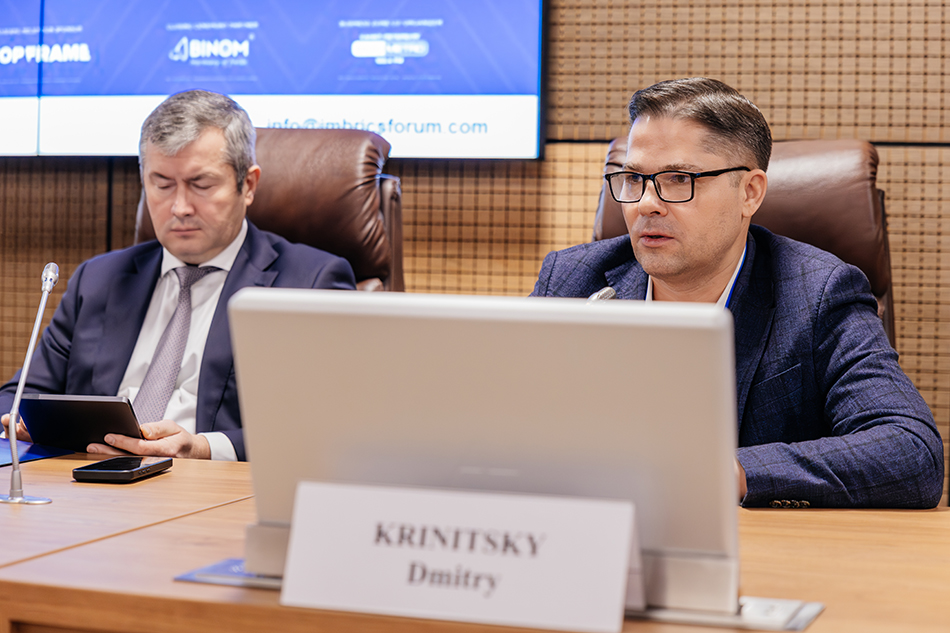
Dmitry Krinitsky, Advisor to the Chairman of the Supreme Council of the United Russia Party, added to the discussion by providing an overview of the party's programs and initiatives aimed at achieving technological sovereignty. He stressed that such measures allow for the development of sustainable approaches to industrial modernization and reduce reliance on external solutions.
Another important aspect was highlighted by Ildar Iskhakov, Advisor to the Managing partner of the FSK Group of Companies in the Regions segment. He talked about how development projects are reshaping the approach to territorial planning and what transport accessibility requirements are being formed today. According to the speaker, early collaboration between developers and companies offering innovative engineering solutions is becoming increasingly important:
– FSK is engaged in the integrated development of territories in Russia and creates master plans for cities that take into account mobility issues from the outset. This approach allows us to provide efficient transport solutions and improve the accessibility of new areas. We are open to considering uST technology as a potential option for integrating into our projects.
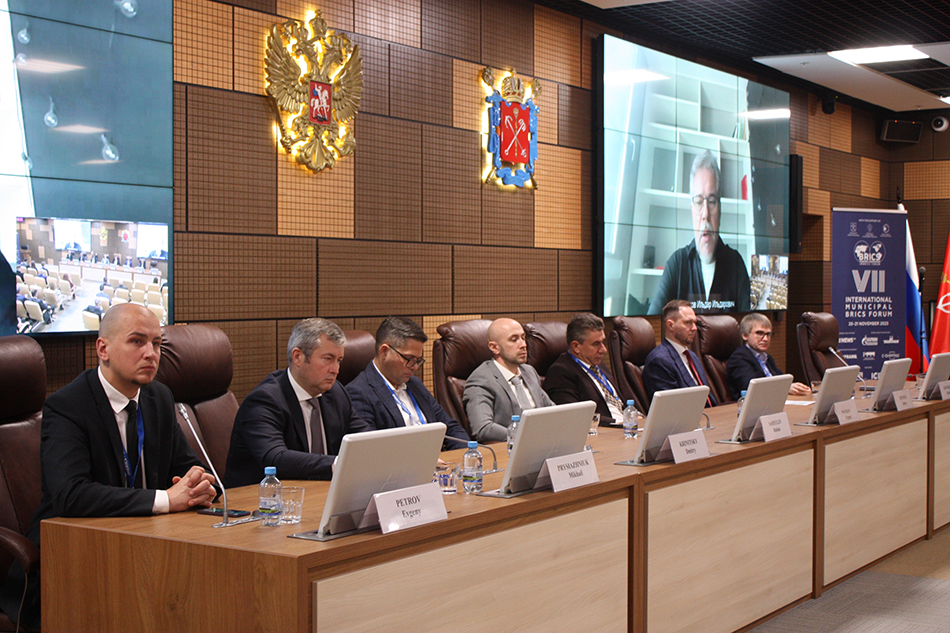
Such a request from developers indicates that "second-level" solutions are being increasingly seen as a viable tool in territory planning. Maxim Kubyshkin, the Deputy General Director for Engineering at UST Inc., delivered a presentation outlining the practical applications of uST technology.
He demonstrated how string rail routes can be integrated into dense urban areas, cross water barriers, run over industrial and residential zones, and be incorporated into recreational and development projects. As an example, the speaker referred to the uLite complex and presented project proposals for both international and domestic sites.
“uST transport and infrastructure complexes help address logistical challenges without expanding land corridors. They reduce the burden on the territory and ensure the infrastructure maintains predictable operating parameters over the long term,” said Maxim Kubyshkin.
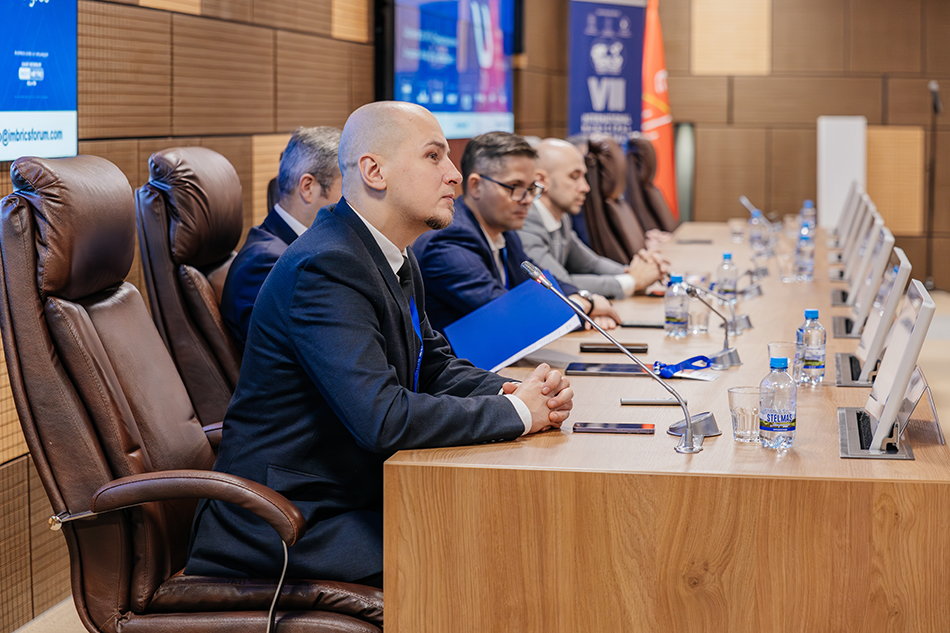
The session was moderated by Evgeny Petrov, the Deputy General Director for Marketing at UST Inc. In closing, he highlighted the speakers' interest in uST technology:
– The company's participation in the BRICS forum is of great importance. The industry recognized UST Inc. as a significant player in the field of advanced transportation infrastructure. It is crucial not only to participate in these gatherings but also to contribute to their core discussions. We have attained a stage where we can collaborate with professionals, engage in discussions about actual projects, and receive feedback from decision makers.
The VII International Municipal Forum of the BRICS countries provided UST Inc. with an opportunity to showcase its ready-made technical solutions and discuss their potential application in countries with varying levels of development. The company expanded its professional network and received input from experts in land-use planning, infrastructure design, and urban transportation management.
More news
News
3 November 2022
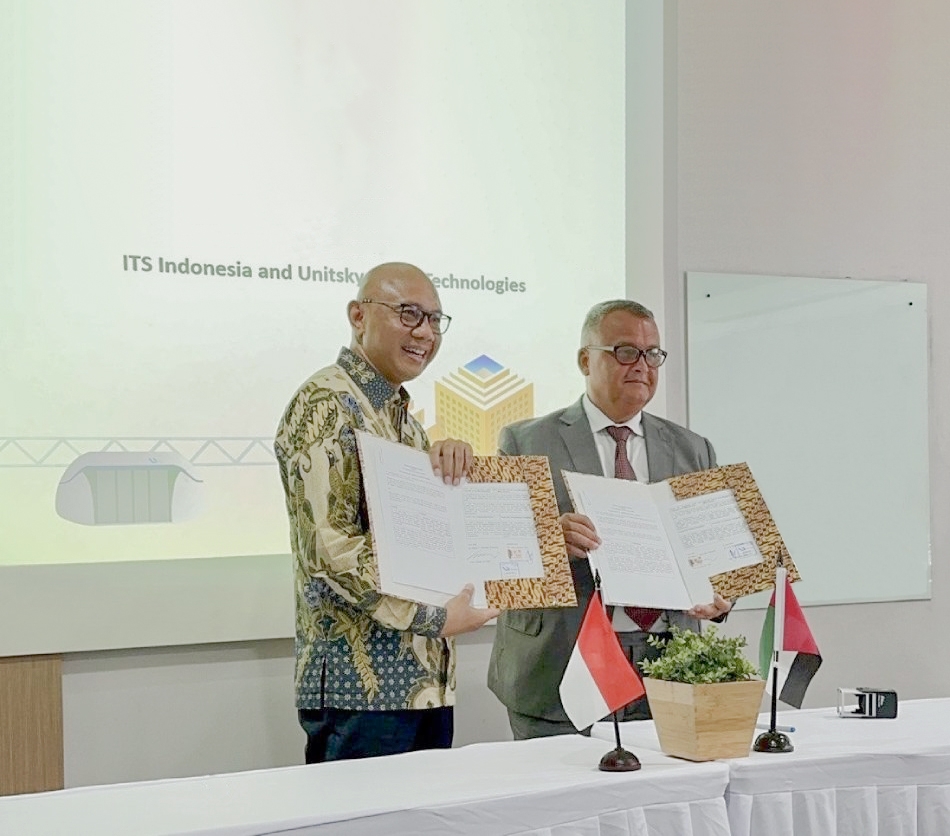
Unitsky String Technologies Inc. Has Signed an Agreement in Indonesia
UST Inc. and ITS Indonesia (Intelligent Transport System Indonesia) have signed an agreement for the development of uST Technology in the capital of Indonesia.
News
16 July 2024
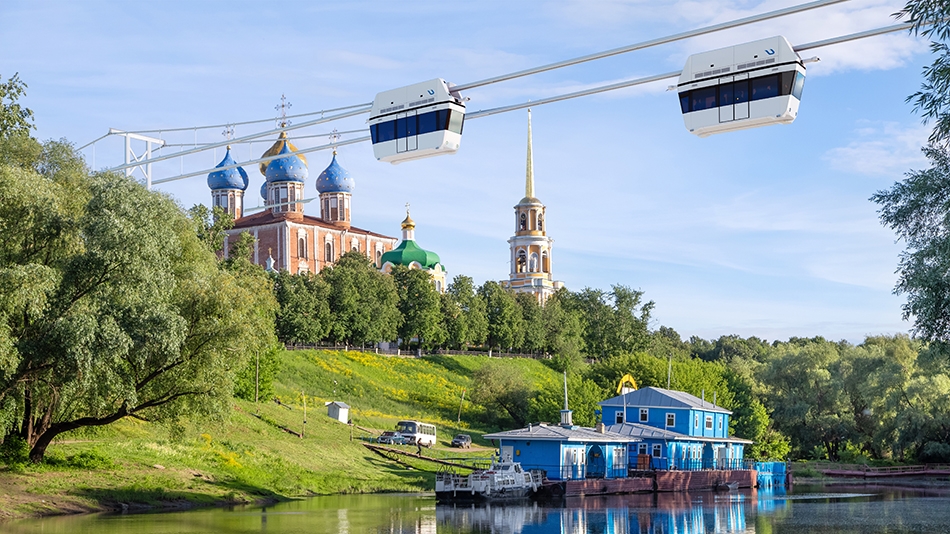
A new episode of answers to frequently asked questions about Karat: the complex applicability and the track uniqueness
What was the uniqueness of the track structure construction? What is the uBus power consumption? How resistant is the uPod to high temperatures?
News
29 August 2022
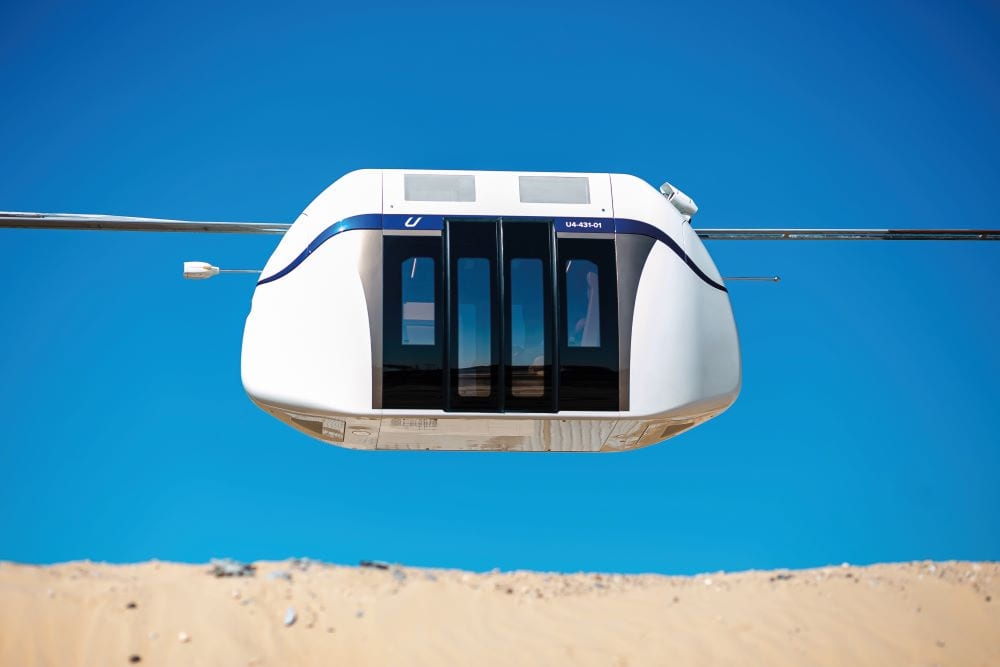
Unitsky String Technologies Inc. Took Part in the International Scientific Conference WHEC-2022
Recently, the 23rd International Scientific Conference WHEC-2022 was held in Istanbul. The event dedicated to the topic of hydrogen energy was attended by representatives of Unitsky String Technologies Inc.


