
String transport against winter: advantages of uST complexes
Every year, winter becomes a serious challenge for regions with moderate and harsh climates. Snow, ice and frost can cause significant inconvenience for passenger and freight transportation, as well as increasing the burden on city budgets. Therefore, transport should be not only resistant to cold, but also maximally adapted to extreme conditions.
The efforts of local government to combat snow and ice
In contemporary urban environments, a variety of strategies are employed to prevent and manage ice and snow accumulation. These strategies encompass the use of specialized equipment, the application of deicing agents, and the implementation of cutting-edge systems. Let's take a look at each one of them with some specific examples.
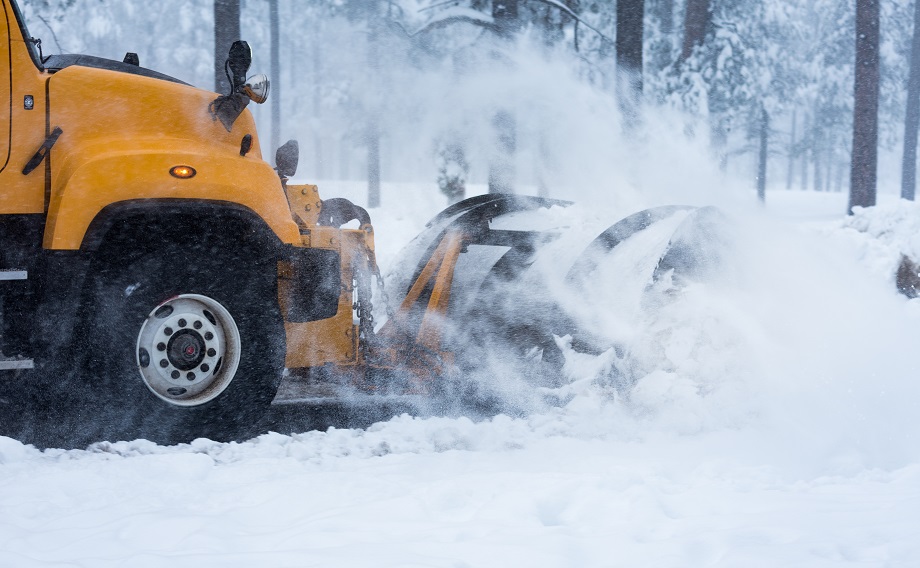
Thus, a traditional instrument for winter road maintenance is snow removal machinery. These are formidable vehicles equipped with dumps, brushes, and reagent distribution systems. The modern fleet of public utility vehicles employs both large rotary units and smaller machines to maintain the cleanliness of public spaces. Their goal is to remove as much snow as they can in order to prevent it from compacting and forming ice. The cost of these machines can reach hundreds of thousands of dollars per unit. Therefore, the budgets of large cities for winter road maintenance are measured in hundreds of millions annually.

Another popular measure is the use of deicing and chemical reagents. They are employed to prevent the accumulation of ice on roadways. The most prevalent of these is road salt (sodium chloride), which lowers the freezing point of water and aids in the removal of ice at temperatures below freezing (up to -18°C). However, salt corrodes metals and negatively affects vegetation and infrastructure. Calcium and magnesium chlorides are more appropriate in this context. They are efficient at lower temperatures and generate heat as a byproduct, but they are more costly.
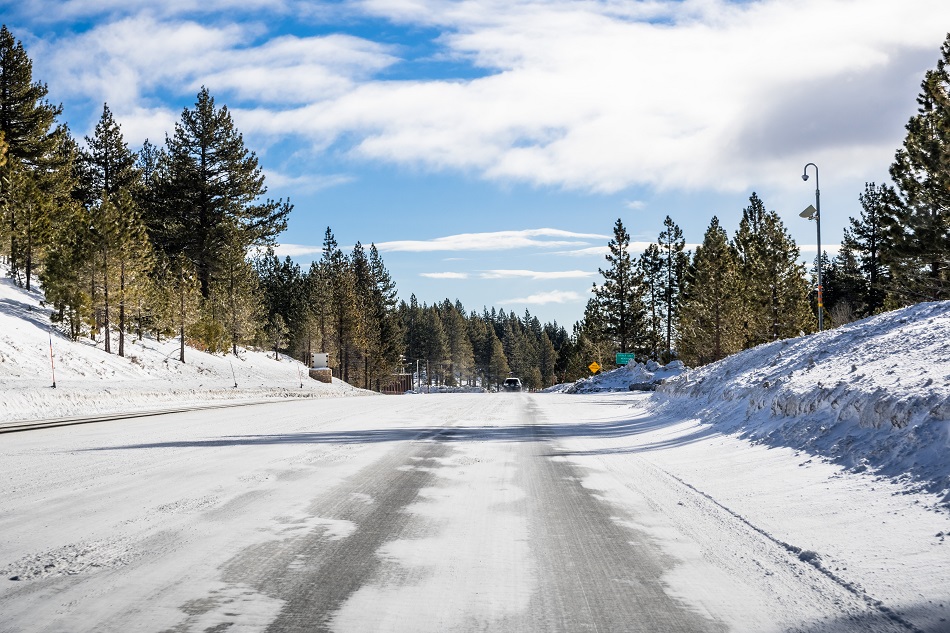
Furthermore, integrated snowmelt systems for roadways and footpaths are employed in several cities in the northern regions. They can employ electric heating, hot water from a boiler room, or geothermal energy, which prevents the formation of ice without the need for chemicals and reduces the expenses associated with seasonal maintenance. However, this is an expensive technology that requires a significant investment.
Winter maintenance costs
The annual winter maintenance of public utilities is an important part of the city's budget. For example, in North America, millions of tons of salt are required annually and municipal equipment works around the clock during snowfall.
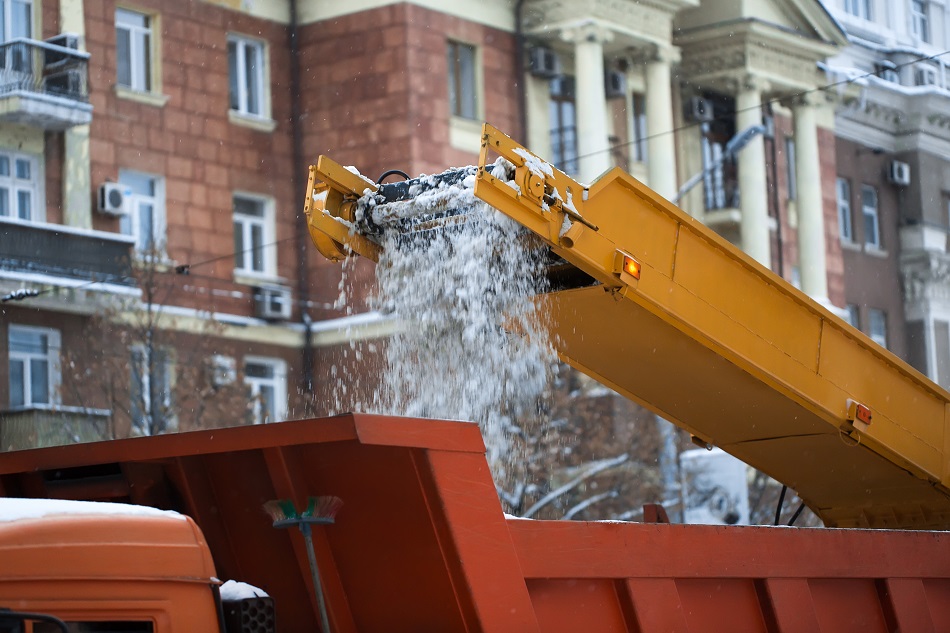
Apart from the explicit expenses associated with equipment and supplies, there are also implicit costs to consider: the deterioration of road surfaces, the deterioration of transportation and engineering infrastructure, and the societal costs resulting from traffic congestion and flight delays. Maintaining the road surface in good condition during winter is considered to be one of the most costly tasks for urban areas.

It is important to note that traditional land-based rail and electric transportation systems often face significant challenges during severe frost conditions. Contact network lines, rails, and switches may become icy, causing power outages and shutdowns. In some cases, electric trains and trams have been delayed or stopped due to icy conditions on the tracks. This has caused disruption to services, inconvenience for passengers, and additional costs for clearing the tracks.
Advantages of string transport in winter
uST transport and infrastructure complexes offer a fundamentally different approach to winter operation, with a number of significant advantages.
Firstly, their design assumes minimal impact of snow and ice on the rolling stock and the track structure. The aboveground position of the string rail track prevents snow and ice from accumulating on the track, as it does on the "first level". A narrow and smooth surface does not create a wide area for snow to accumulate, and ice does not remain on it. The very first contact with the surface of a vehicle (uPod) effectively "clears" any minor ice that may have formed.
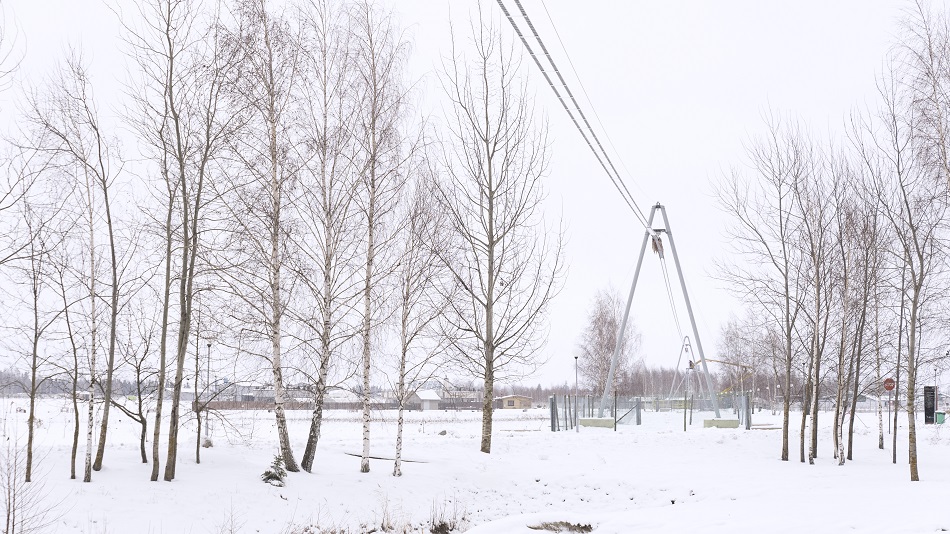
Secondly, the special feature of the uST track structure eliminates the need for vehicles to contact the catenary system. The uPod's own on-board traction drive and energy storage system make it frost-resistant, eliminating the need for heating devices along the route. This distinguishes uST solutions from trams or electric trains, which have a contact network that can be affected by icing and requires expensive heating.
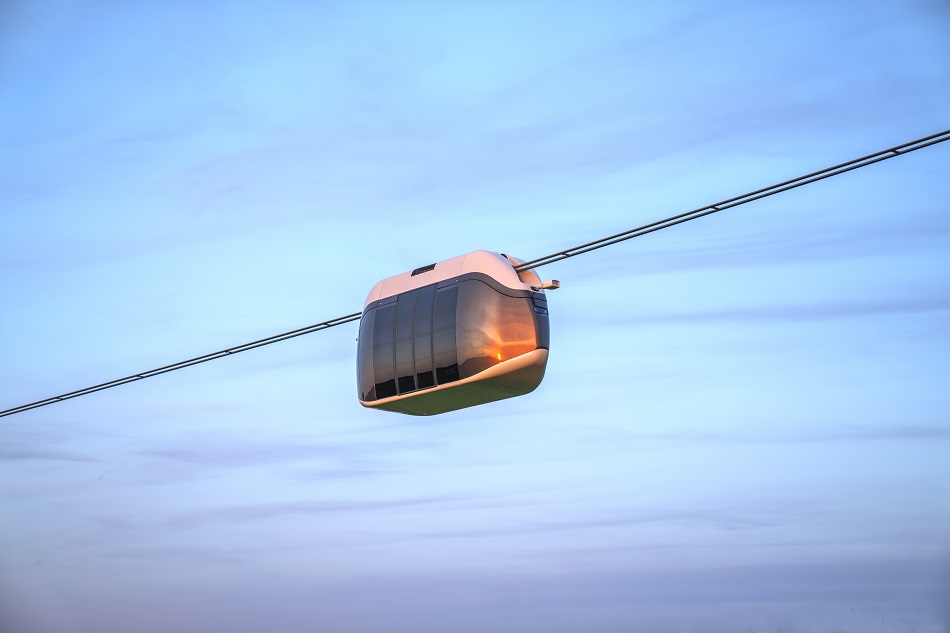
Furthermore, the functioning of uST systems is characterized by minimal operational expenses during the winter season. This is ensured by the fact that string transport does not require large-scale snow removal, the use of anti-icing reagents, or expensive heating systems. And the absence of snow on the line ensures stable operation, eliminating the need for any technical interruptions.

Finally, automated controls and a robust infrastructure guarantee a high standard of passenger security, ensuring uninterrupted traffic even in adverse weather conditions. This reduces the risk of delays, accidents, and unplanned downtime.
Exploitation as a source of competitive edge
In cities with a cold climate, ensuring the reliability of transportation during the winter is not merely a technical challenge, but also a reflection of the standard of living for residents and the city's appeal to investors. At the same time, traditional methods of road maintenance in winter, such as snow removal and the use of deicing chemicals, are costly and may not always be effective.
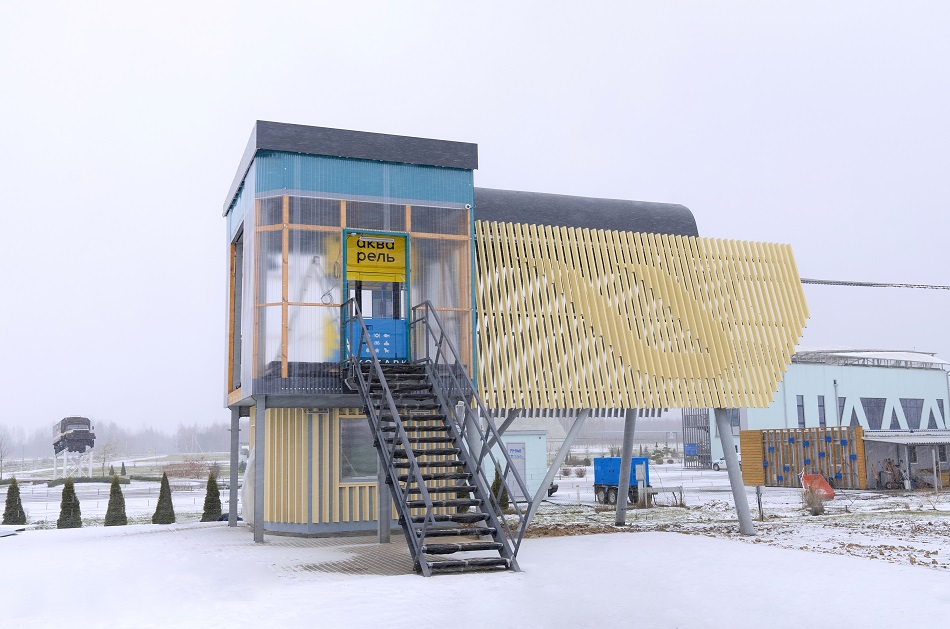
In contrast, string transport demonstrates the feasibility of an infrastructure that is less vulnerable to snow and ice. Simultaneously, it demands fewer expenses during its operation and offers a consistently high level of service throughout the year. In today's changing climate and with increasing demands for sustainable transport systems, such technological innovations have become not only useful, but also strategically significant for modern cities.
More news
News
15 April 2024
The Karat Complex is the subject of a new video episode about the company's work
What tests are underway at uSky Center?
Blog
13 August 2025
Transport of the Future: Technologies, Developments, Prospects
Let’s explore what transport of the future will look like and why the elevated string technology by UST Inc. has become the embodiment of a new approach to mobility.
News
14 October 2022
uST Technology Is the Topic of Lectures at One of the Leading Universities in Belarus
Professionals from Unitsky String Technologies Inc. have conducted classes for students of Vitebsk State Technological University — VSTU. The topic of lectures was uST technology.


