
The Role of String Transport in Creating a Safe Urban Environment
In the authoritative Safe Cities ranking compiled by The Economist Intelligence Unit, more than 70 different indicators are taken into account. These include infrastructure resilience, digital security, predictability of traffic flows, data protection, and minimizing risks to human health and life. Between 2021 and 2025, Copenhagen, Toronto, Singapore, as well as Tokyo, Sydney, and Amsterdam topped the rankings. Infrastructure safety, particularly in transportation, remains a key criterion. Let’s explore what makes cities truly safe and how string transport can contribute to this.
What Influences Urban Safety Today
Modern technologies have become a crucial factor in shaping urban safety. Their impact is noticeable across several interconnected areas.
First, digital monitoring and analytics systems play a key role. Intelligent cameras and event recognition systems enable real-time detection of hazardous situations – from traffic violations to potentially critical incidents in public spaces. These solutions are already actively used in major cities and, as practice shows, help reduce traffic accidents and improve emergency response times.
Second, the development of artificial intelligence and predictive analytics is taking urban safety to a new level. In Copenhagen and Toronto, these technologies are used to forecast emergencies and optimize the work of ambulance services and other city services. Such systems increase a city’s preparedness for risks, minimize the impact of human error, and make resource management more efficient.

Third, the role of robotics and autonomous devices is becoming increasingly significant. In Tokyo, for example, rescue robots have proven highly effective in extreme situations (fires, building collapses, natural disasters) where quick and safe access to hard-to-reach areas is required.
Finally, digital infrastructure protection is emerging as a separate and increasingly important area. Today, cybersecurity is considered an independent criterion of overall urban resilience. Protection is required not only for banks and government services but also for elements of city infrastructure, from transport systems to utility networks.
The Role of Transportation in Safety Rankings
A city’s transport system is one of the fundamental elements of urban safety. The state of transportation directly affects the frequency of accidents, the distribution of passenger and cargo flows, emergency services’ access, and the minimization of human error.
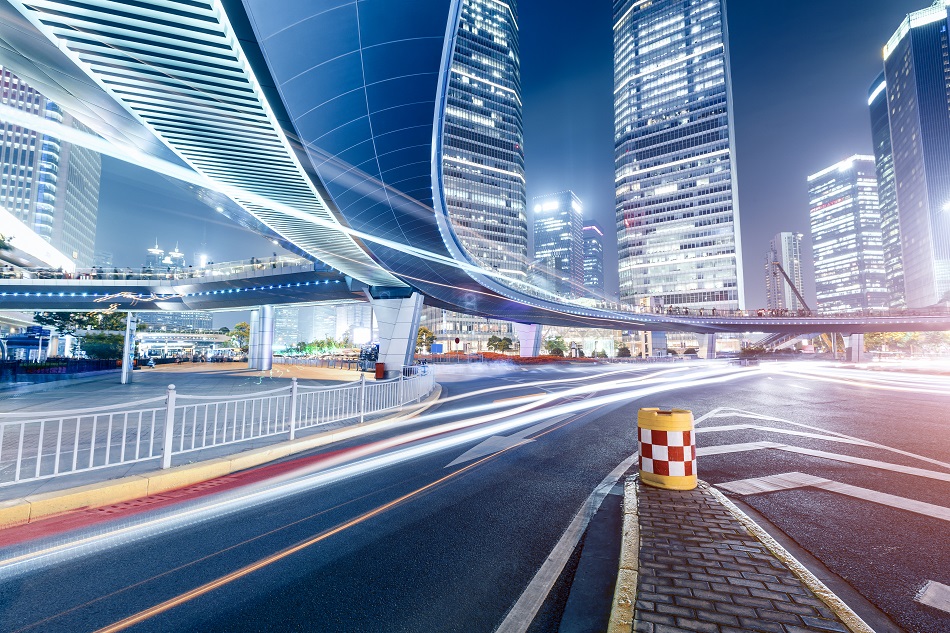
In traditional urban transport networks, traffic levels often intersect: cars, bicycles, and pedestrians share the same routes. This creates conflict points and increases the risk of accidents, especially during peak hours. In The Economist Intelligence Unit’s ranking, infrastructure safety, including transportation safety, significantly impacts the overall city scores.
String Transport as a Factor in Enhancing Safety
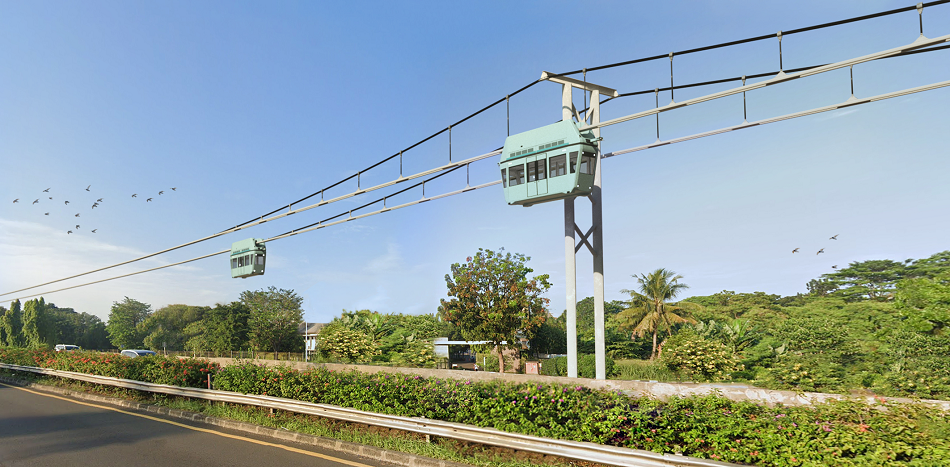
String transport represents an advanced elevated system, initially designed with safety as a core parameter. Primarily, it features isolated elevated infrastructure, completely eliminating intersections with vehicular and pedestrian traffic. This solution significantly reduces the risk of accidents and minimizes emergency situations.
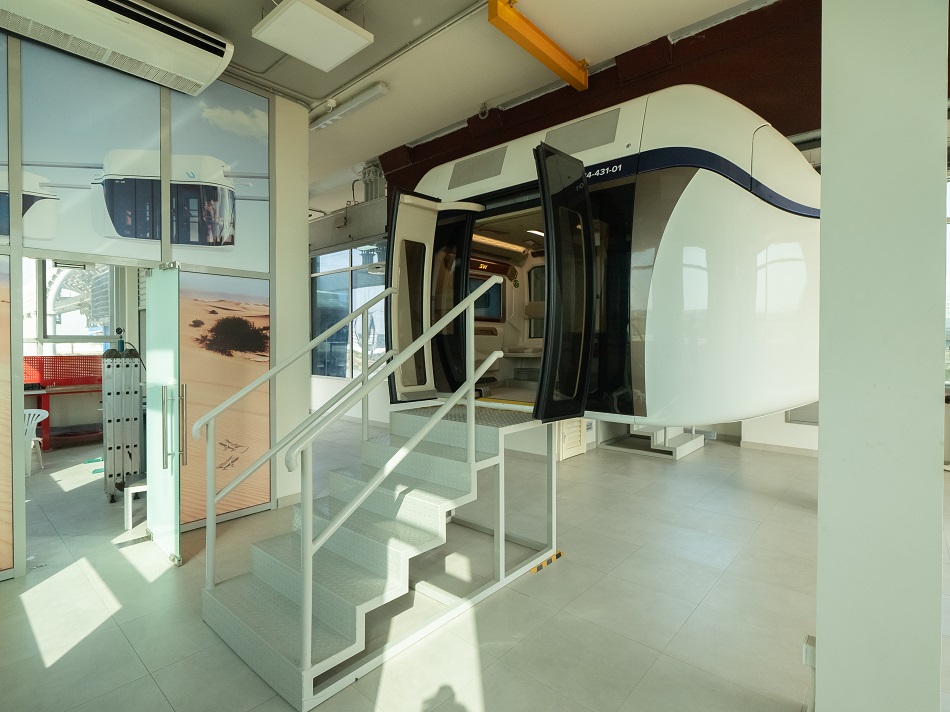
Another important factor is the elimination of human error. The automated control system strictly adheres to the movement schedule, responds quickly to abnormal situations, and prevents collisions of the vehicles. This reduces the risk of mistakes and increases the reliability of the transport system.
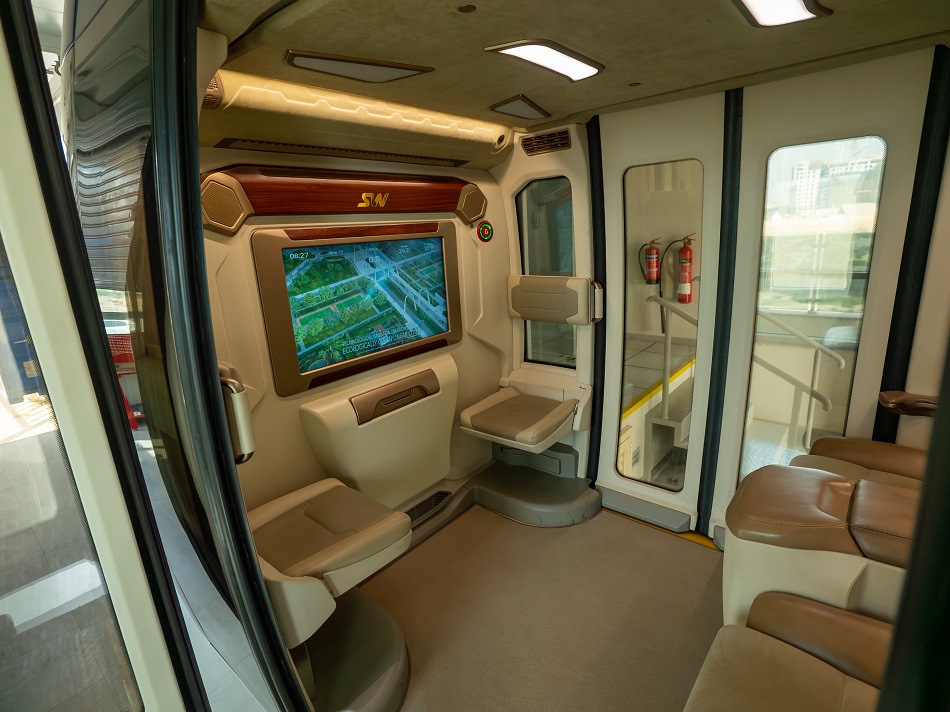
Cybersecurity of the transport network also deserves special attention. In smart cities, where management and communication are increasingly digitalized, infrastructure becomes more vulnerable to cyber threats. String transport is designed with a multi-layered cybersecurity architecture, including network segmentation and secure communication protocols, isolation of critical control systems from external networks, and continuous real-time anomaly monitoring and threat analysis.
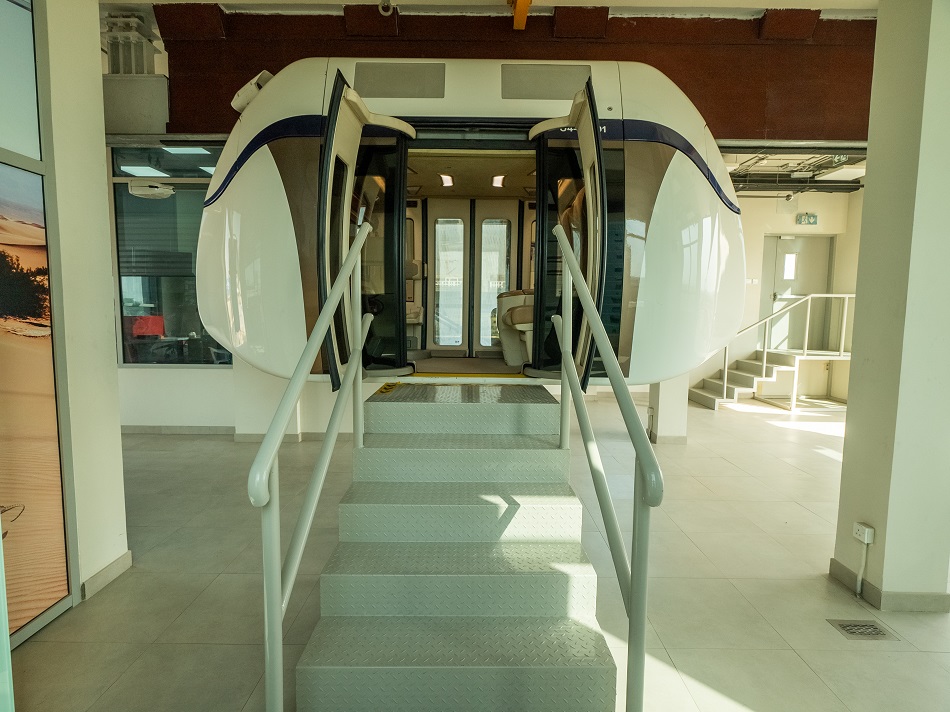
In addition to technological aspects, string transport developers focus on personal and environmental safety. Low noise and vibration levels reduce stress for passengers and residents in surrounding areas. The environmental friendliness of string transport positively impacts urban ecology. This factor is increasingly considered in international quality-of-life rankings, including The Economist Intelligence Unit and other analytical platforms.
A Comprehensive Approach to Safety
With urban populations growing (according to UN forecasts, over 68% of people will live in urban areas by 2050), safety is becoming not just a comfort feature but a fundamental indicator of urban resilience. Development strategies that focus on intelligent technologies, automation, digital and cybersecurity significantly influence the global ranking of megacities.
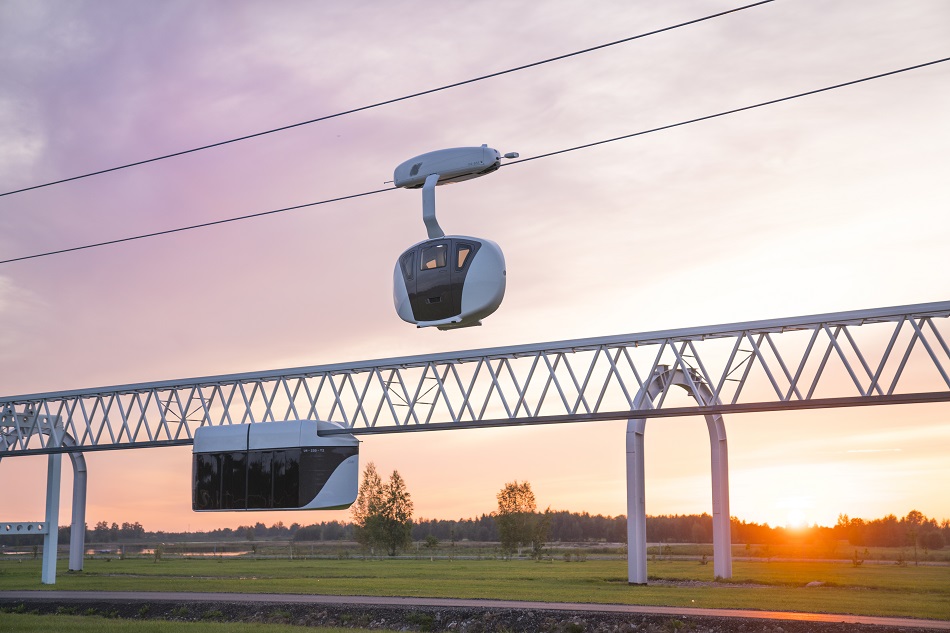
String transport, by integrating these solutions, acts not just as a means of transportation but as an infrastructural element that helps enhance overall urban safety – from preventing accidents to protecting systems from digital threats. Such a multi-faceted approach is becoming a competitive advantage for the cities of the future.
More news

News
24 Junе 2022
Unitsky String Technologies Inc. Takes Part in the International Business Forum in Rwanda
Unitsky String Technologies Inc. presented its transport and infrastructure solutions at the CHOGM Rwanda 2022 Business Forum. Participation in the event, held in the capital of Rwanda, allowed the company to profile itself in the market of transport and logistics services of the East African region.
Blog
18 September 2024
uST: The Most Suitable Solution for Transportation Accessibility in Protected Areas
Can uST complexes address the issue of transportation accessibility in regions with strict environmental requirements?
Blog
29 December 2025
Why the Future of Transport Lies Not in New Fuels, but in Energy-Efficient Technologies
We find out why traditional fuels are inferior to alternative energy sources. and what role uST complexes play in the development of sustainable transportation solutions.


