
Safe Gates: Multi-Level Protection for uST Stations
The constant increase in passenger traffic in modern transport systems requires higher infrastructure standards for stations. One of the key safety elements here is station gates. This is an engineering unit that operates in continuous “open-close” cycles and is synchronized with the arrival of rolling stock and passenger traffic. For uST complexes, this task is solved systematically: from the structural architecture of the gates to their integration into an automated control system (ACS) and multi-level protection circuits. The solutions are based on the results of scientific and engineering work and tests of basic station gates by specialists from Unitsky String Technologies Inc.
Engineering architecture
The basic station gates of the uST complex are designed as a modular system with a rigid frame structure, designed for intensive use and high dynamic loads. The design includes guides with increased wear resistance, a drive with force and speed control, end position damping, and redundancy of critical components.
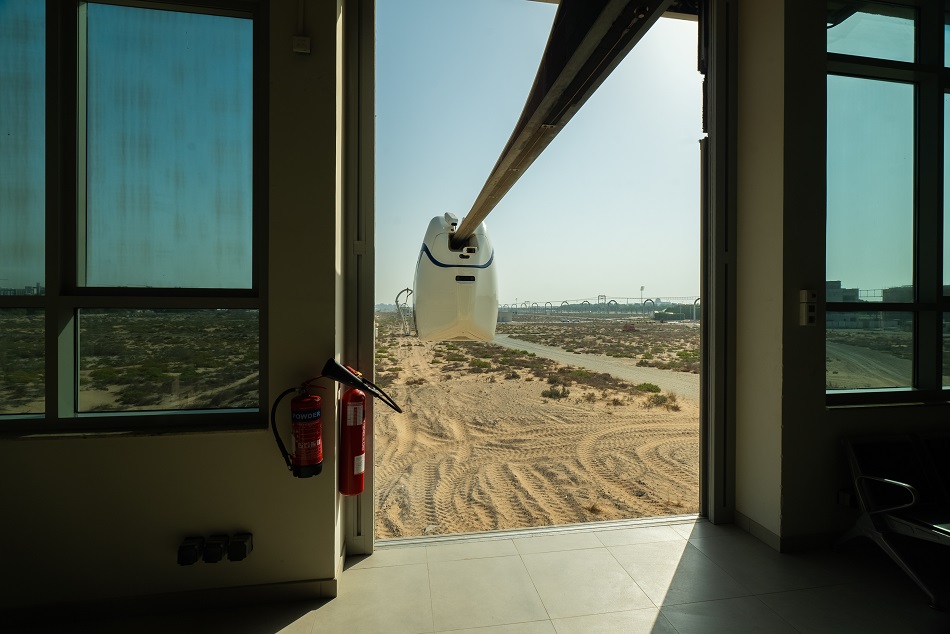
This architecture ensures stable opening geometry, predictable kinematics, and resistance to deformation even under severe climatic conditions – such as wind gusts and temperature fluctuations – including periods of peak demand. It should be noted that the main challenges facing designers of automated control systems for modern transport solutions include the rapid growth of passenger traffic, increasingly stringent safety requirements, the integration of new standards, and the transition to fully automated operation (GoA4).
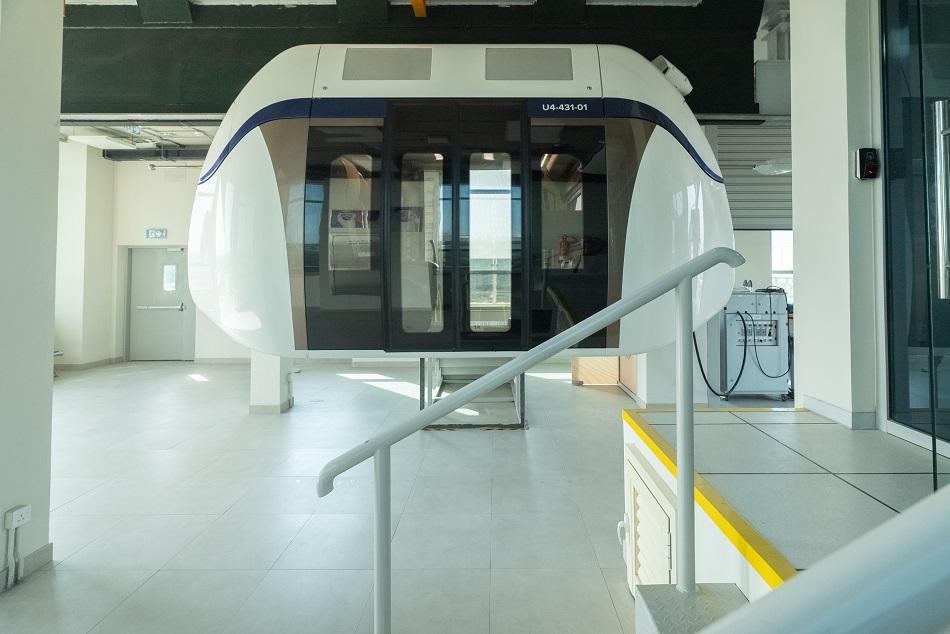
Based on international and national standards (IEC 61508, EN 50126, GOST, IEEE, etc.), UST Inc. engineers have formulated design requirements for string transport station gates, incorporating the principle of acceptable risk (ALARP – as low as reasonably practicable). The station gates are required to operate at Safety Integrity Level 3 (SIL 3), which corresponds to safety levels internationally recognized for critical transport systems.
Sensors and smart kinematics
The key principle of these devices is to prevent hazardous situations at the level of primary mechanisms. The gates are equipped with sensors that monitor leaf position, speed, and force, as well as systems for detecting obstacles within the opening area. The control algorithms provide for:
- Smooth acceleration and deceleration of the gate leaves;
- Immediate stopping and reversal upon obstacle detection;
- Blocking of gate leaf movement in case of abnormal deviations.
This maintains throughput without compromising safety: the gates operate quickly yet “gently,” eliminating injury scenarios.
Synchronization with rolling stock
Gate safety is closely linked to the precise alignment between the uPod and the station platform. In uST complexes, the position of the rolling stock is managed by an automated control system, which also synchronizes the opening and closing of station gates with vehicle arrivals. Exit gates open only after the rail vehicle’s doors are closed and close after it has departed.
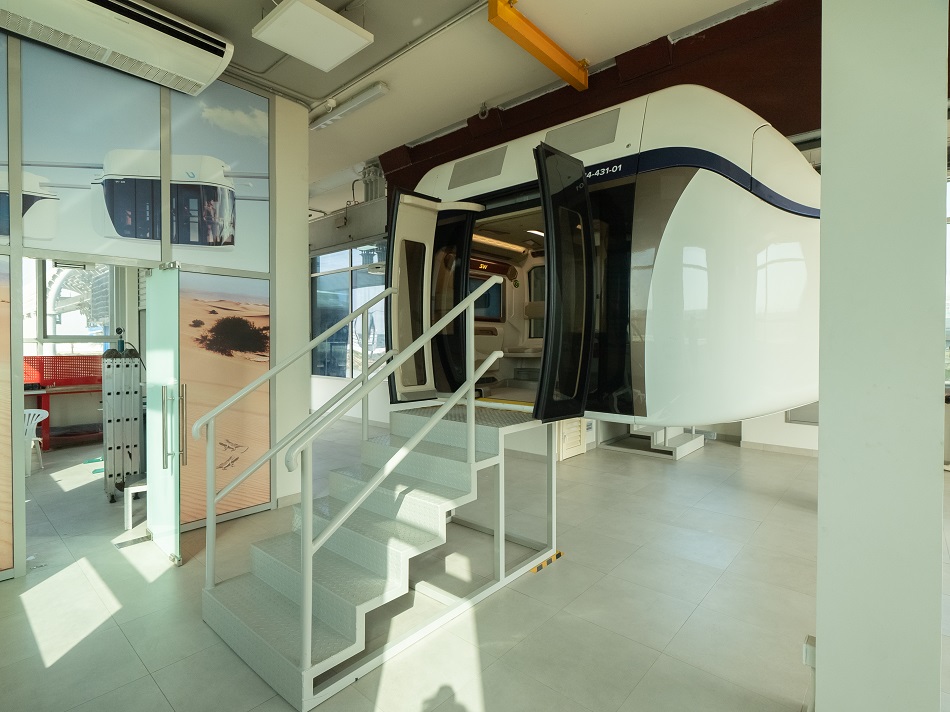
The interaction logic includes confirmation of the uPod’s coordinates and speed, verification of platform barrier status, interlocking to prevent opening in case of deviations, and cycle time control to maintain the specified throughput. This principle eliminates premature openings, ensuring that station gates and passengers operate virtually independent of each other.
Multi-level safety
The gate is designed according to the principle of functional safety: each critical scenario has at least two independent protection circuits – software and hardware. The system features:
- Hardware limit switches and stops;
- Software speed and force limitations;
- Independent drive diagnostic channels;
- Event logging and telemetry.
Continuous self-diagnostics detects component degradation before failure occurs and puts the system into a safe state in the event of any anomalies.
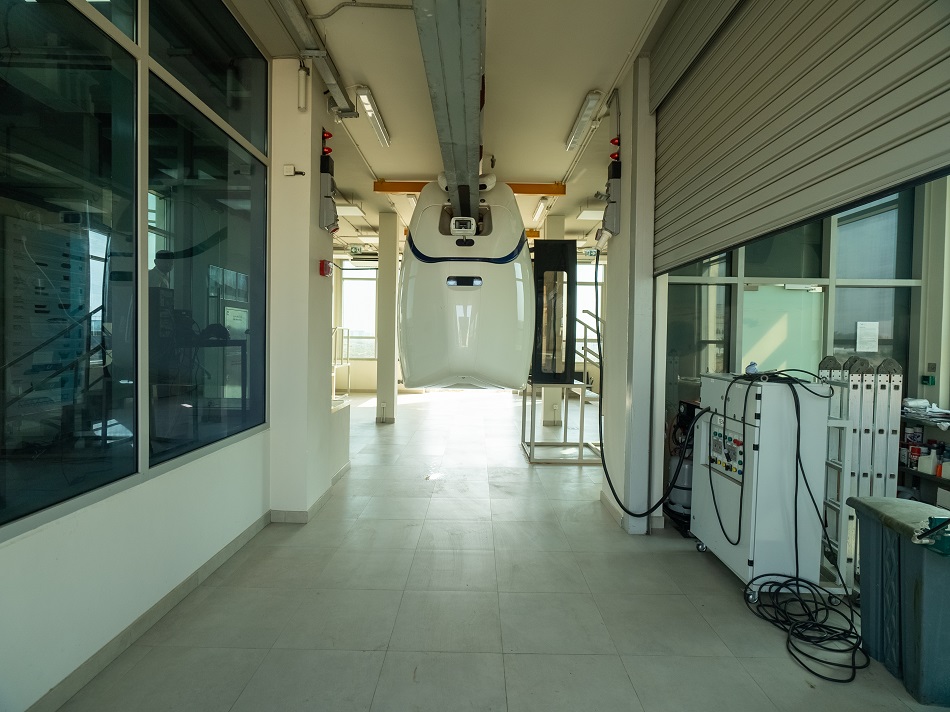
High passenger traffic requires not only reliability, but also high cyclic endurance. Design and research work have confirmed the resource characteristics of the basic station gates during multiple cycles, resistance to temperature changes, and stability of drive parameters throughout the entire service interval. This maintains the specified movement interval and does not reduce the station's throughput during peak hours.
Integration into the automated control system and cybersecurity
Station gates are part of critical infrastructure. Therefore, their management is integrated into the complex's automated control system with network segmentation, secure protocols, and anomaly monitoring. Critical functions are isolated from user interfaces, while updates and maintenance operations are carried out in accordance with regulations that prevent unauthorized access.
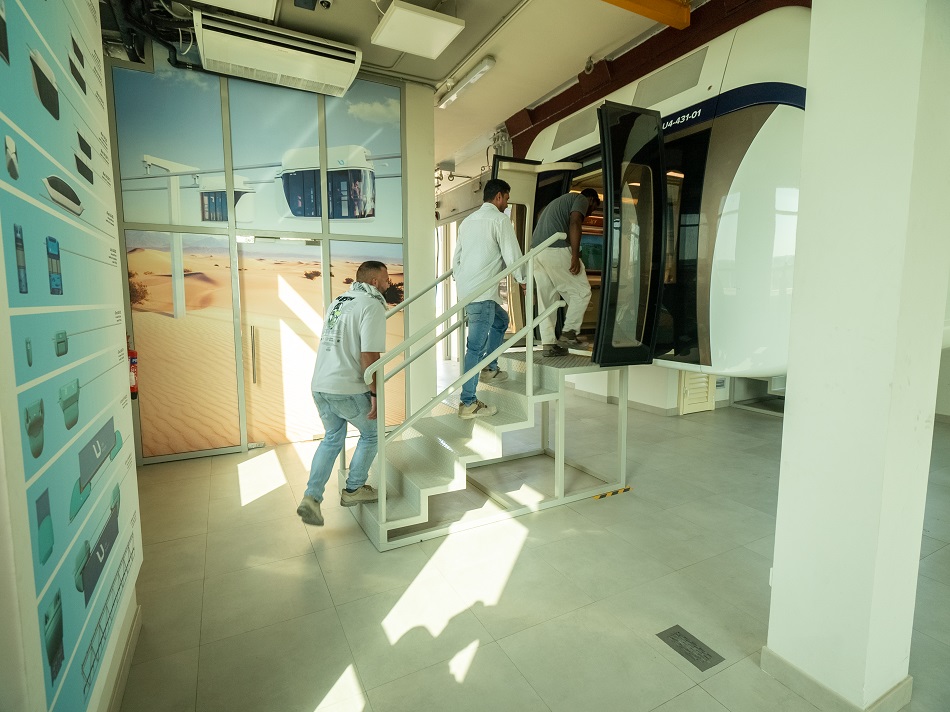
Ensuring the safety of station gates under high passenger traffic is addressed at the level of engineering methodology. In uST complexes, safety is embedded in the design, validated through testing, reinforced by control algorithms, and supported by digital monitoring.
This approach guarantees passenger protection within the platform area while maintaining high station throughput during peak hours. Fast, predictable and safe – the exact combination that sets the standard for next-generation station infrastructure.
More news
News
9 July 2024
Unitsky String Technologies Inc. Has Been Audited on Its Financial Statements
Business Assurance LLC has once again audited the financial statements of Unitsky String Technologies Inc. in compliance with the International Financial Reporting Standards (IFRS).
Opinion
28 January 2022
Tests of the Transport by Unitsky String Technologies Inc. Have Not Gone Unnoticed by Mass Media
The transport developed by Unitsky String Technologies Inc. is drawing increasing attention from media representatives. So the recent tests of string rail electric cars by UST Inc. gained the attention of Indian web portal Maagulf.
Opinion
22 November 2022
Sharjah TV Aired a Report on uST Transport
The transport developed by Unitsky String Technologies Inc. came into the spotlight of a major UAE media. The Sharjah TV channel aired a video from the uSky Test & Certification Centre.


