
A City for People: How String Transport Frees Streets from Cars
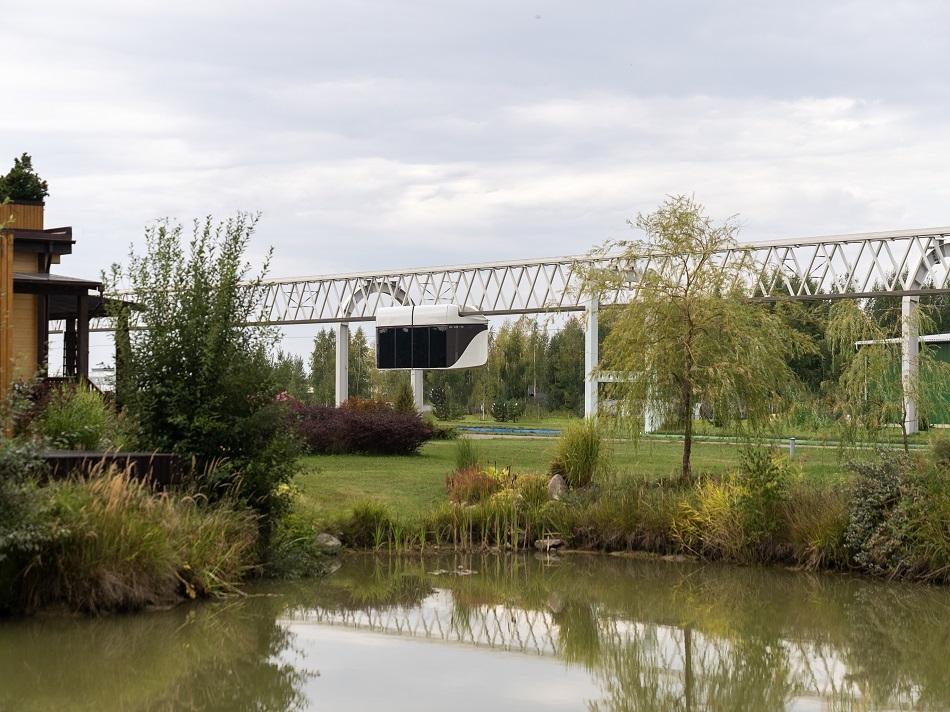
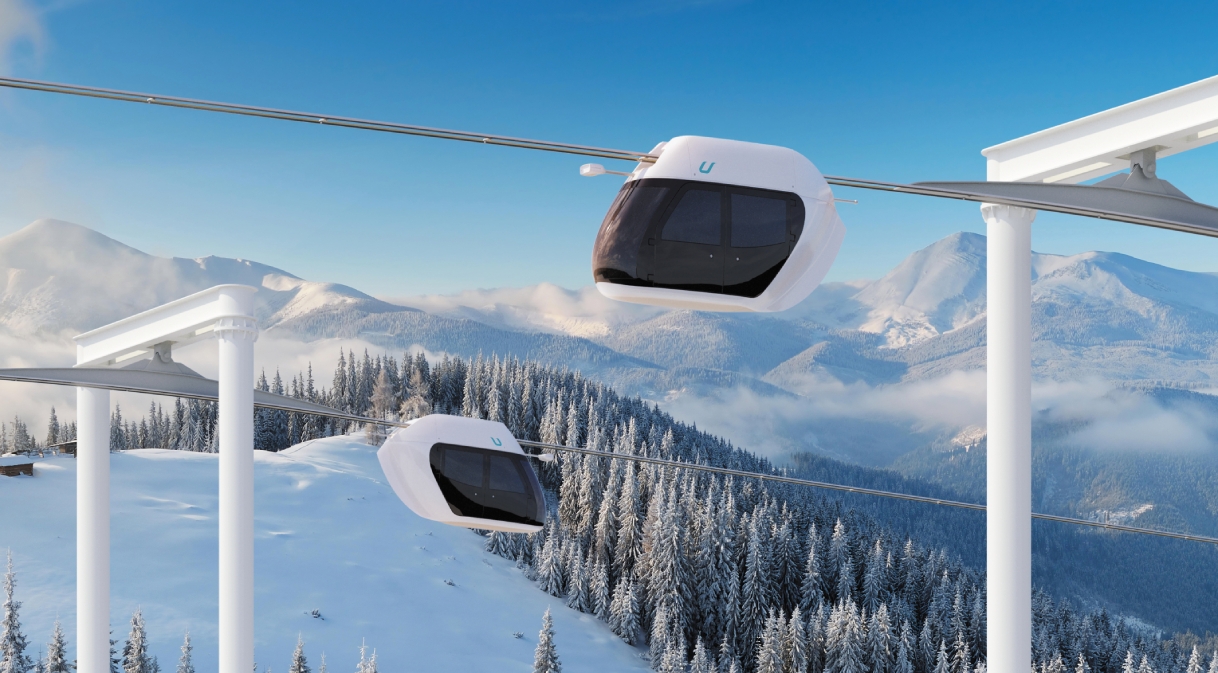
uST transport and infrastructure complexes are designed from the outset as part of the urban environment. Their elevated track structure has minimal impact on street architecture and is isolated from the road network. As a result, space at the ground level remains available for pedestrians, cyclists, squares, parks, and green areas. This is the fundamental difference between a string rail line and a roadway, which periodically requires widening, land acquisition, and large-scale reconstruction of entire districts.
Reduction of Living Space
In cities where the transport system relies exclusively on cars, streets gradually turn into corridors for traffic. Parking lots replace public green spaces, sidewalks narrow due to the proximity of highways, and noise and exhaust fumes become part of everyday life. An alternative to this scenario may be solutions that provide passenger transportation via a dedicated transport network. In uST complexes, a string rail overpass runs above the streets along residential neighborhoods. This eliminates the need to occupy large areas of land, as is required, for example, by wide roadways.
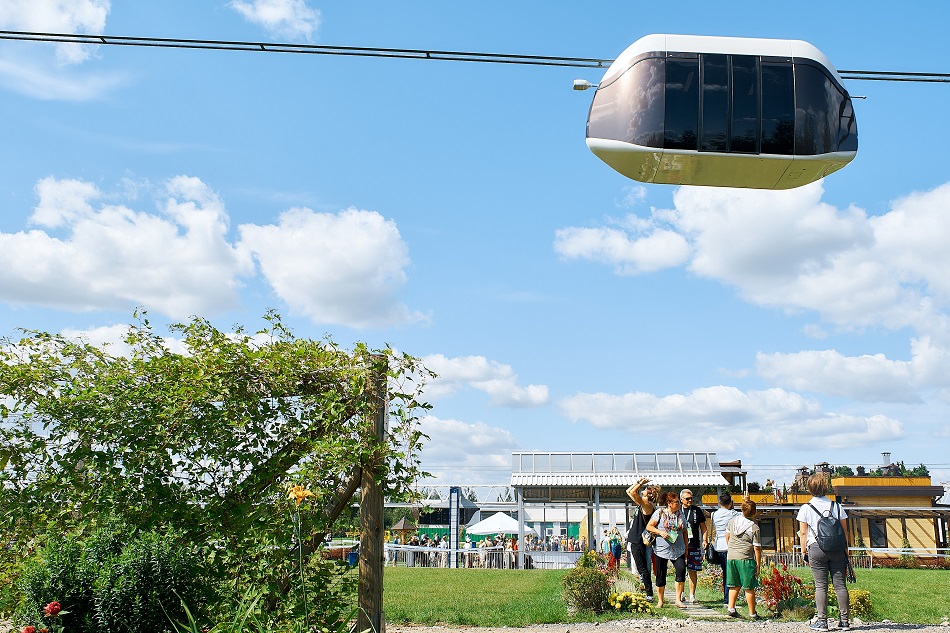
Organizing transport movement above ground changes the balance of urban mobility. It reduces the load on intersections and decreases the need for parking along main streets. This creates opportunities to widen sidewalks and develop cycling lanes. Similar processes can already be observed in cities where tram tracks are separated into dedicated lanes (LRT lines), and historic centers are completely cleared of traffic to create more pedestrian zones. However, the compact supports of uST complexes can be installed without large-scale interference in existing development.
Redistribution of Space
New public spaces – landscaped boulevards, pedestrian paths, and local squares – can emerge beneath string transport overpasses. Instead of sections of car-clogged highways, cafés, recreation areas, and playgrounds may appear.
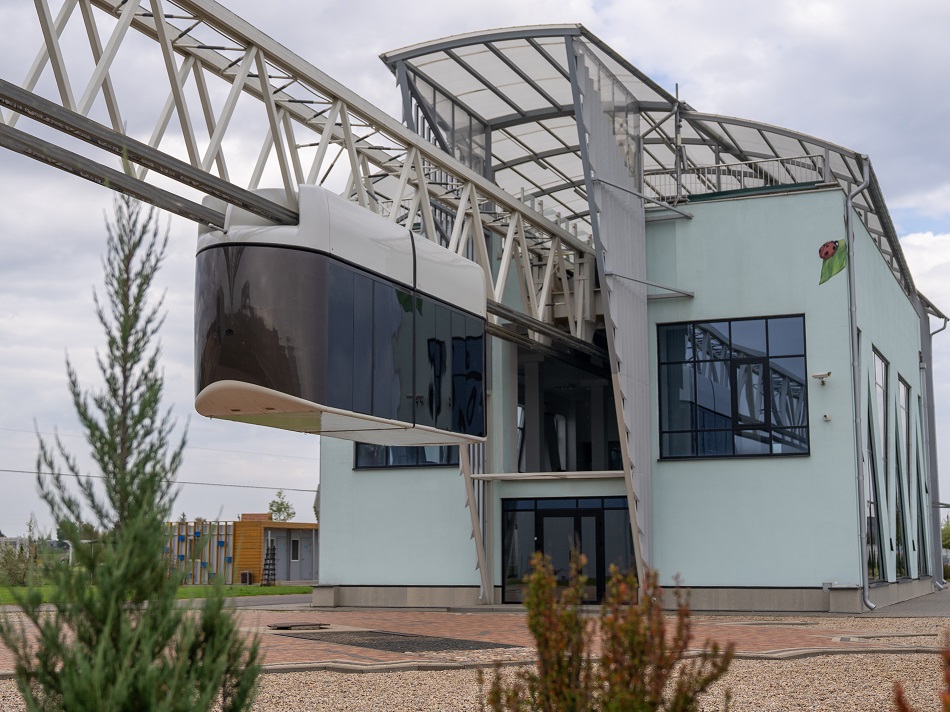
This approach echoes modern practices of rethinking street space in major capitals around the world, where former highways and railway lines are transformed into linear parks and promenades. In the case of elevated lines, however, existing transport operations are preserved and even enhanced, while no longer displacing essential urban amenities.
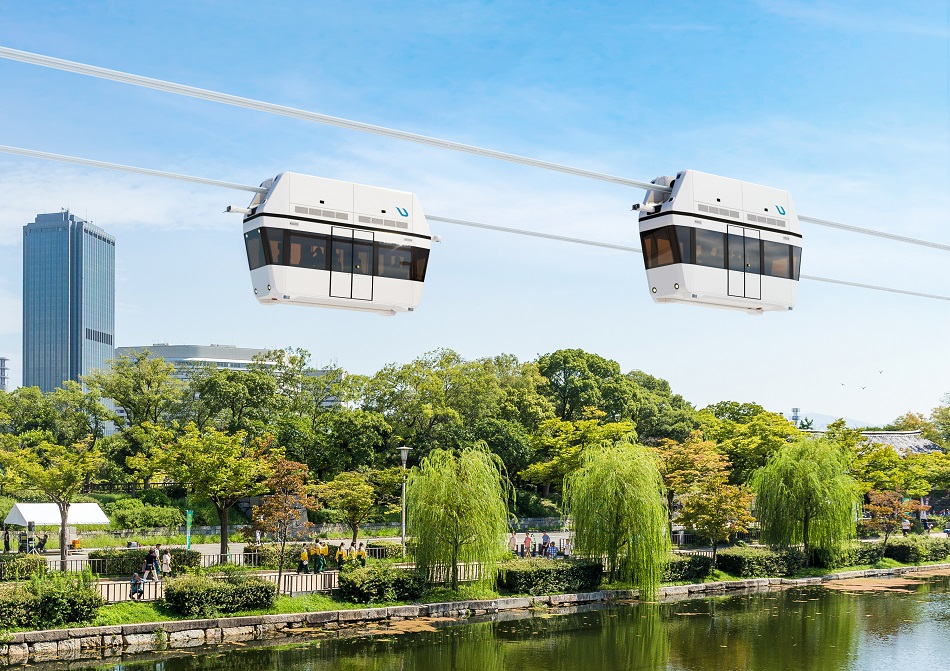
Cycling infrastructure also benefits from such transformation. Freeing parts of major roads from public transport can help reduce overall car traffic intensity. This, in turn, creates conditions for establishing extended cycling routes that connect residential areas with transport hubs. uST stations integrated into the urban fabric can serve as transfer points between different modes of movement – on foot, by bicycle, or by public transport – forming the very “soft mobility” that modern cities strive for.
A New Priority
Compared with the traditional approach of road expansion, this model reflects a shift in priorities. In the past, transport development meant adding new lanes for cars; today, it increasingly involves redistributing space in favor of people. Above-ground systems such as uST complexes fit within this logic. They aim to increase the capacity of the urban network without occupying additional land or demolishing established residential neighborhoods.
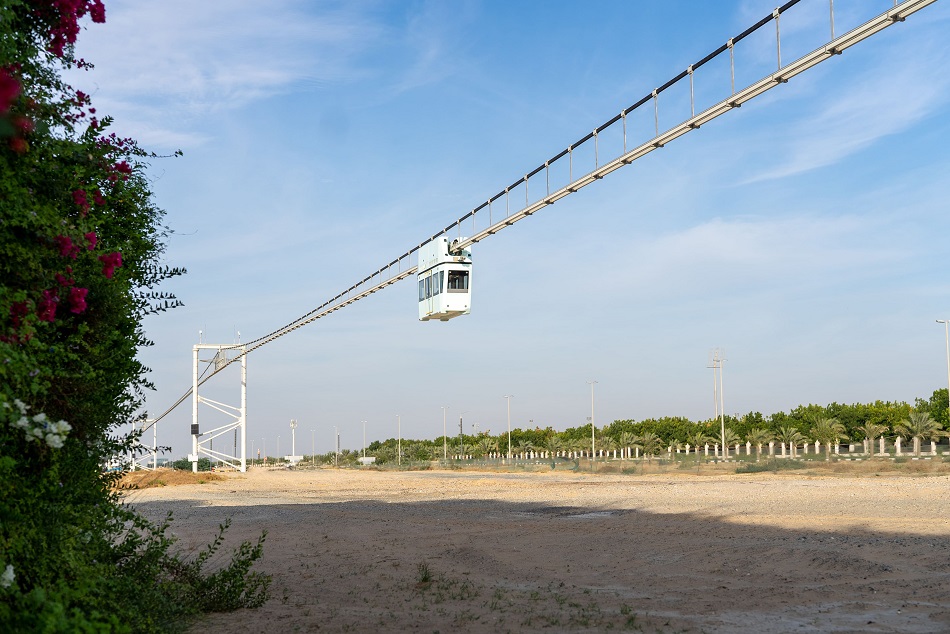
As a result, the city gains not only a new transport network but also the opportunity to develop streets as public spaces. They cease to be merely transit corridors and become places for walking, meeting, and leisure. All of this positively transforms the rhythms of everyday urban life.
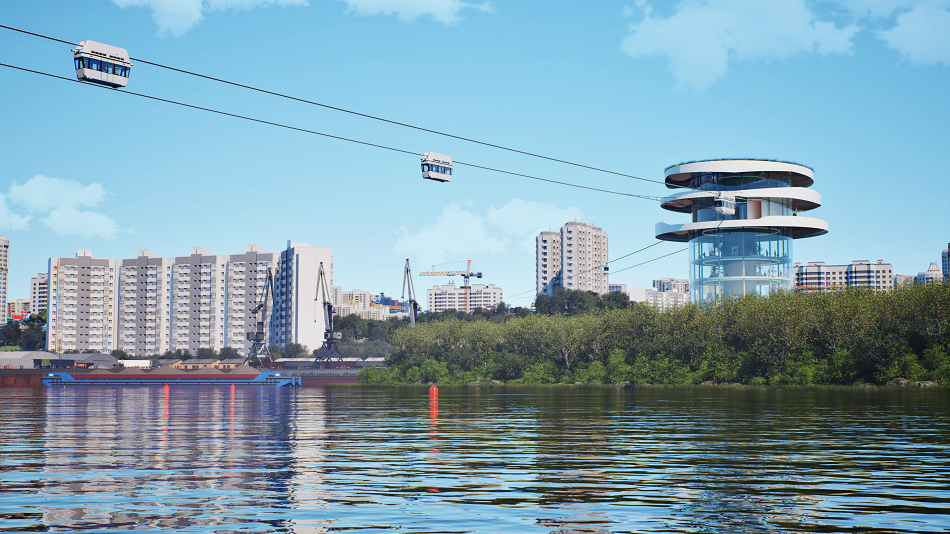
Such a scenario does not oppose new solutions to existing modes of transport – metro, trams, or buses – but complements them. A more balanced infrastructure emerges, oriented toward the comfort of residents. It is precisely in this gradual transformation that the potential of string transport can be seen – as a tool for renewing the urban environment.
More news
News
17 February 2025
Last Call for Entries: UST Inc. Research Paper Competition
Unitsky String Technologies Inc. invites you to participate in our international research paper competition, where you can showcase your skills and compete for a cash prize. The deadline for applications is February 28, 2025.
uLite
24 September 2024
One Hour with Hair Dryer – 26 km of Travel: A Comparative Efficiency Analysis of uST and Traditional Electric Cars
UST Inc. specialists compared the energy efficiency of uLite and traditional electric vehicles.
Blog
17 February 2023
How Can uST Improve the Efficiency of Transport Communication in the Regions of the Far North?
uST solutions can become an alternative to traditional transport in the regions of the Far North. The Complexes can be erected where the construction of roads is difficult due to the specifics of the climate or soil.


