

The Point of No Return for Civilization: What Does the Audiobook of the uST Transport Inventor Say?

Recently, an audiobook by Anatoli Unitsky, General Designer of Unitsky String Technologies Inc. has been released. Recall that it is based on his report as the inventor of uST transport – “Civilization capacity of the space home called planet Earth”. The scientist focused not only on the issues of the ecological situation, but also the importance of the survival of human civilization in the near future.
“According to the number of predictions, the point of no return for civilization will come in just two generations. And we won’t be able to turn back. Since it was engineering technologies that created global problems, only engineers, and not politicians and bankers, are again able to find engineering solutions that will save our civilization, which in many ways is heading to a dead end, from its degradation, extinction, and death”, – notes Anatoli Unitsky.
To solve the Earth’s problems, the Belarusian scientist proposes the idea of delivering cargo to near-Earth orbit with the help of the General Planetary Vehicle (GPV), which can take all harmful production out of the planet Earth. At the same time, it opens amazing opportunities to locate plants and factories in conditions of weightlessness, almost complete vacuum, ultra-low and ultra-high temperatures. And these conditions are very close – just a few hundred kilometers away.
By the way, the starting point here should be the widespread use of string transport. Until the end of the century, it will save about 100 million lives from death on roads and allow land users to return vast territories that today are occupied by asphalt and railways.

According to the engineer, the geospace transport of the future will favorably compare with modern rocket solutions. Firstly, through efficiency, since it will be able to provide an annual cargo flow of millions of tons between the Earth and orbit, putting into orbit about 10 million tons of cargo and up to 10 million passengers per one flight. It should be noted that the GPV will be able to go into space up to 100 times per year. Secondly, because of high speed. What can be done in one year by the GPV, will need about 10,000 years for the modern world rocket and space industry. At the same time, the cost of delivering each ton of cargo into orbit will be reduced thousands of times compared to a rocket. Thirdly, thanks to environmental friendliness, since the transport operates only due to the internal forces of the system, without any mechanical and energy interaction with the planet’s atmosphere.
“Many will say that putting theory into practice is too large-scale, material-intensive, and expensive. But is it really so? After all, to solve earthly transport problems, much simpler than space ones, humanity has already spent enormous efforts. Millions of motor vehicles, aircraft, diesel locomotives and ships, millions of kilometers of roads and railways, thousands of ports, bridges, and railway stations have been built. It all costs a lot more than the GPV”, – says the scientist.
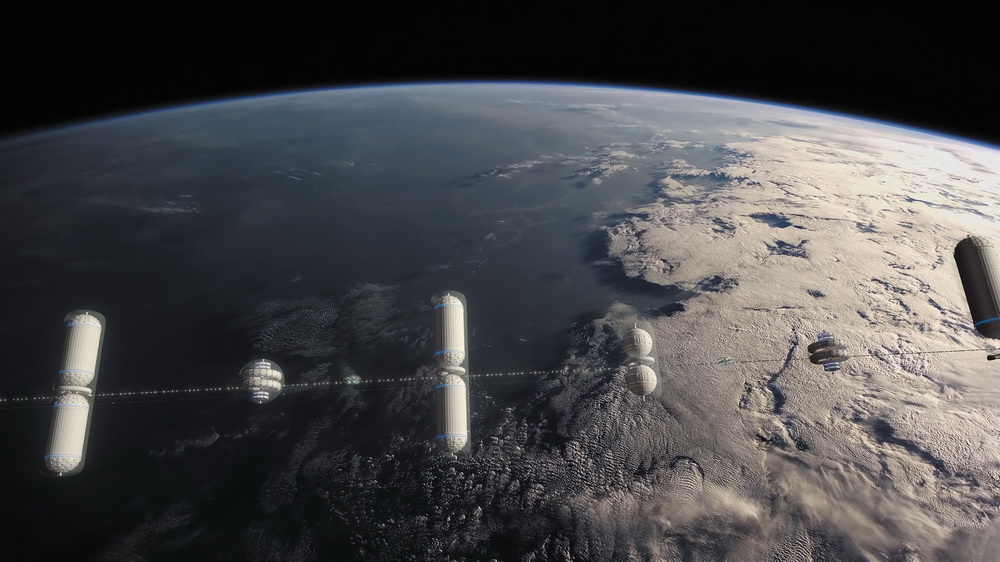
Of course, during the implementation of the General Planetary Vehicle project, it will be necessary to cope with a large number of difficulties, both technical and social. However, they are insignificant compared to the problems that our earthly civilization has to solve if it wants to survive and develop steadily in the future. And do we even have a choice?
More news
News
28 March 2024
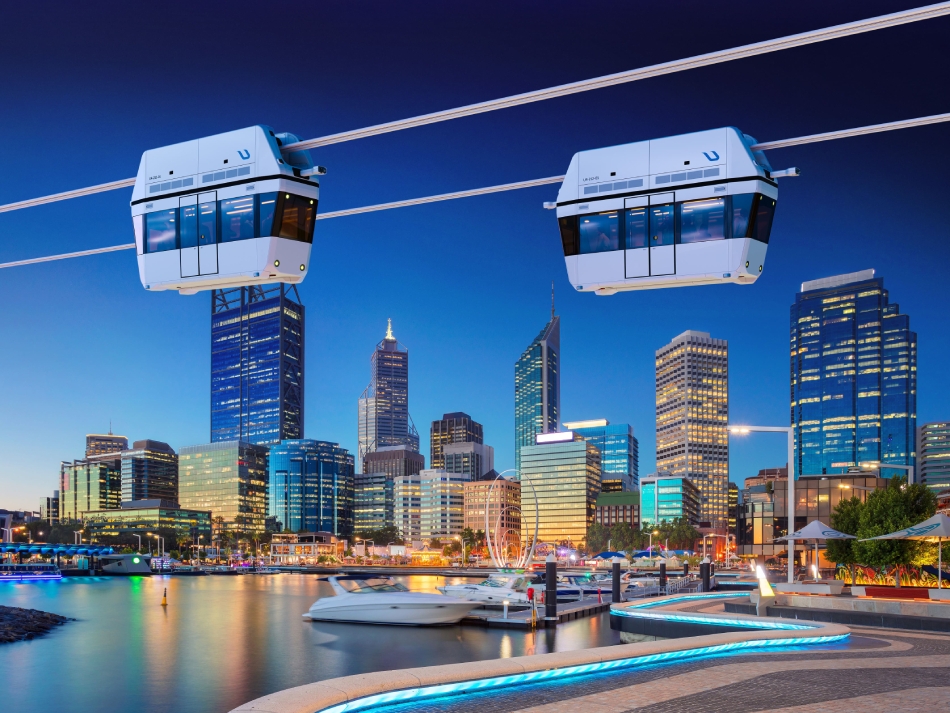
UST Inc. continues to release the series of video about the company’s work
There is information about the company’s vector of activity in 2024 and the first results achieved in the new episode.
News
24 November 2022
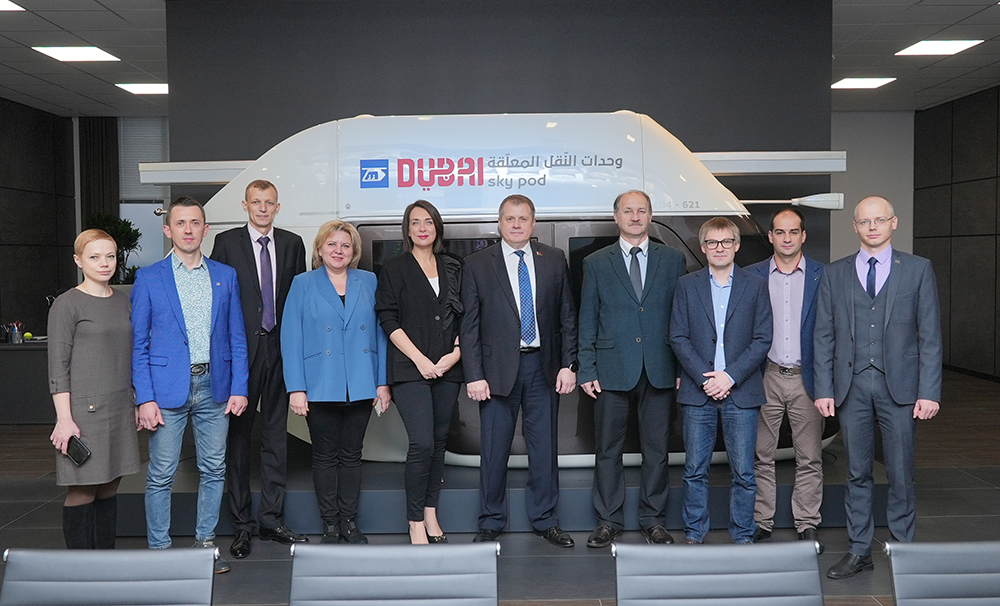
UST Inc. Signs Cooperation Agreement With a Leading Technical University in Belarus
A delegation of Brest State Technical University (BrSTU) visited Unitsky String Technologies Inc. During the visit, General Director of UST Inc. Nadezhda Kosareva and Rector of Brest State Technical University Alexander Bakhanovich signed a cooperation agreement on scientific research and training of engineers.

Blog
16 September 2022
How Can Unitsky String Technologies Inc. Transform the World of Maritime Shipping?
There are various applications for UST Inc.'s transport and infrastructure complexes, and one of them is maritime shipping. The use of string-rail overpass makes it possible to build seaports at some distance from the shore. This will exclude the work and expenditures that are necessary when constructing seaports near land.


