
uSky Started the Karat Runs with Power Supply from the Track Structure
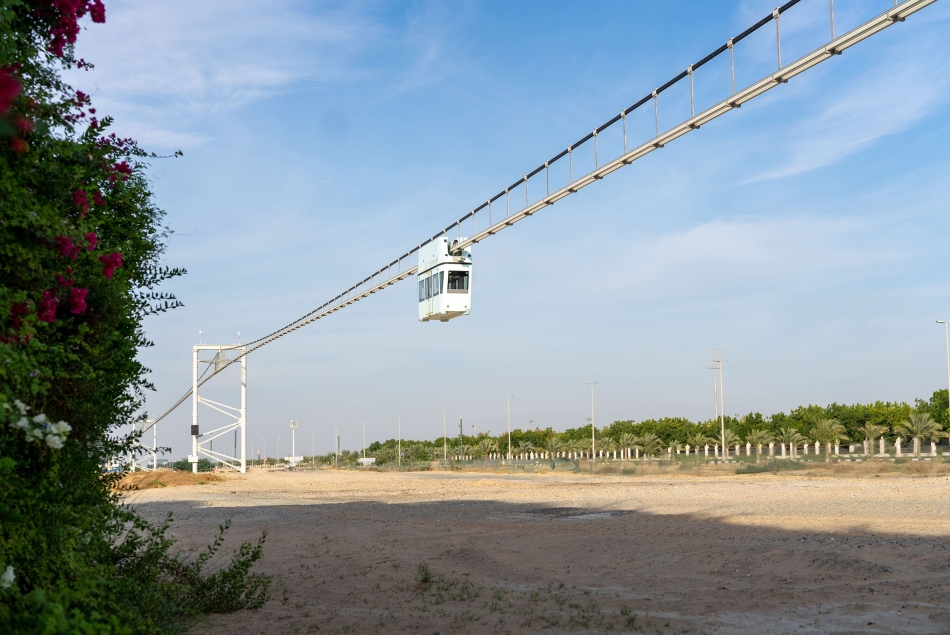
At uSky Test & Certification Centre in Sharjah, the Karat uBus ran a string rail track for the first time using power from the track.
UST Inc. specialists conducted the regular tests required to ensure uninterrupted power supply of the Karat U4-212 uBus. The flagship uBus proved the correctness of the engineers' calculations.
At the moment, the uST complex, including the string rail overpass, the uPod and infrastructure facilities, is equipped with the relevant elements of traction power supply. A similar system was previously tested in the Belarusian EcoTechnoPark.
Note that the uPod is energy autonomous. The vehicle will continue to move in case the main power supply source is cut off. Even in case of a complete failure of the contact network, the uBus will be able to reach the nearest station. For this purpose, the rail electric car will use its energy storage unit.
Recall that earlier the UST Inc. specialists tested the Karat U4-212 uBus in a new speed limit – 85 km/h.
More news
News
6 February 2026
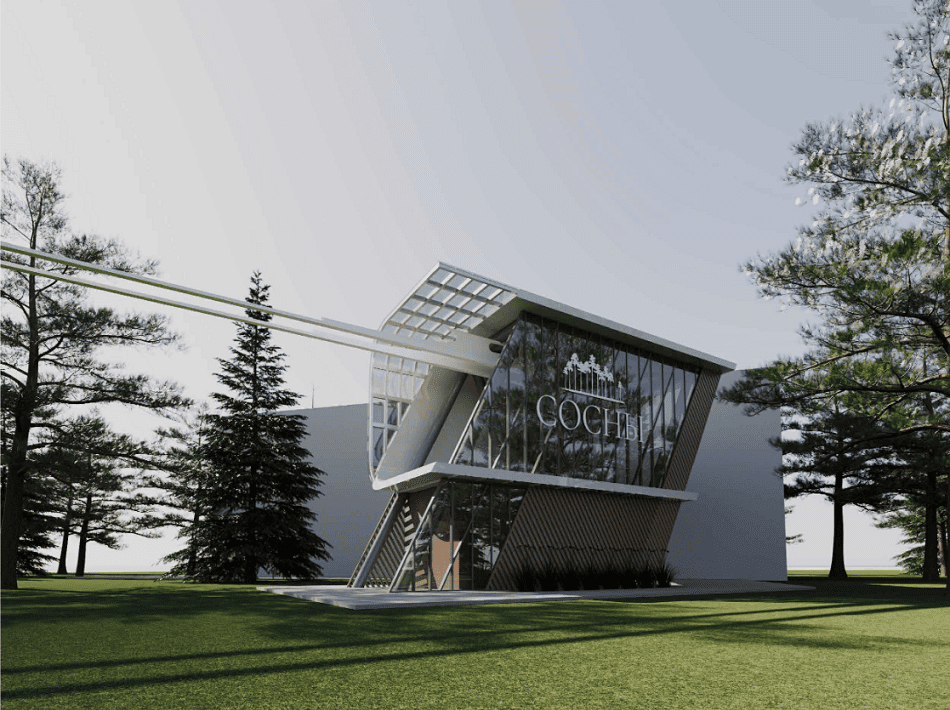
In Warmth and Comfort: New Details About the uPod for “Sosny”
We provide detailed information about the climate systems of the uST rolling stock, which was specially designed for a Belarusian sanatorium.
Interviews
10 September 2025
String Technologies in Russia: Exclusive Interview with Sergey Smolnikov
In a conversation with UST Inc.’s Deputy General Director for Marketing, Evgeny Petrov, they discuss the key infrastructure challenges facing modern Russian cities.

Interviews
28 August 2020
Who Maintains IT Infrastructure in Operating Condition?
In his interview, Alexey Shkoda, Director of IT-support Department at Unitsky String Technologies Inc. will surprise you with the volume of digital data that UST Inc. office processes on a daily basis and will share a professional secret: about the set of skills you need to have in order to continuously maintain the huge infrastructure of a major engineering company.


